Publications
2025
-
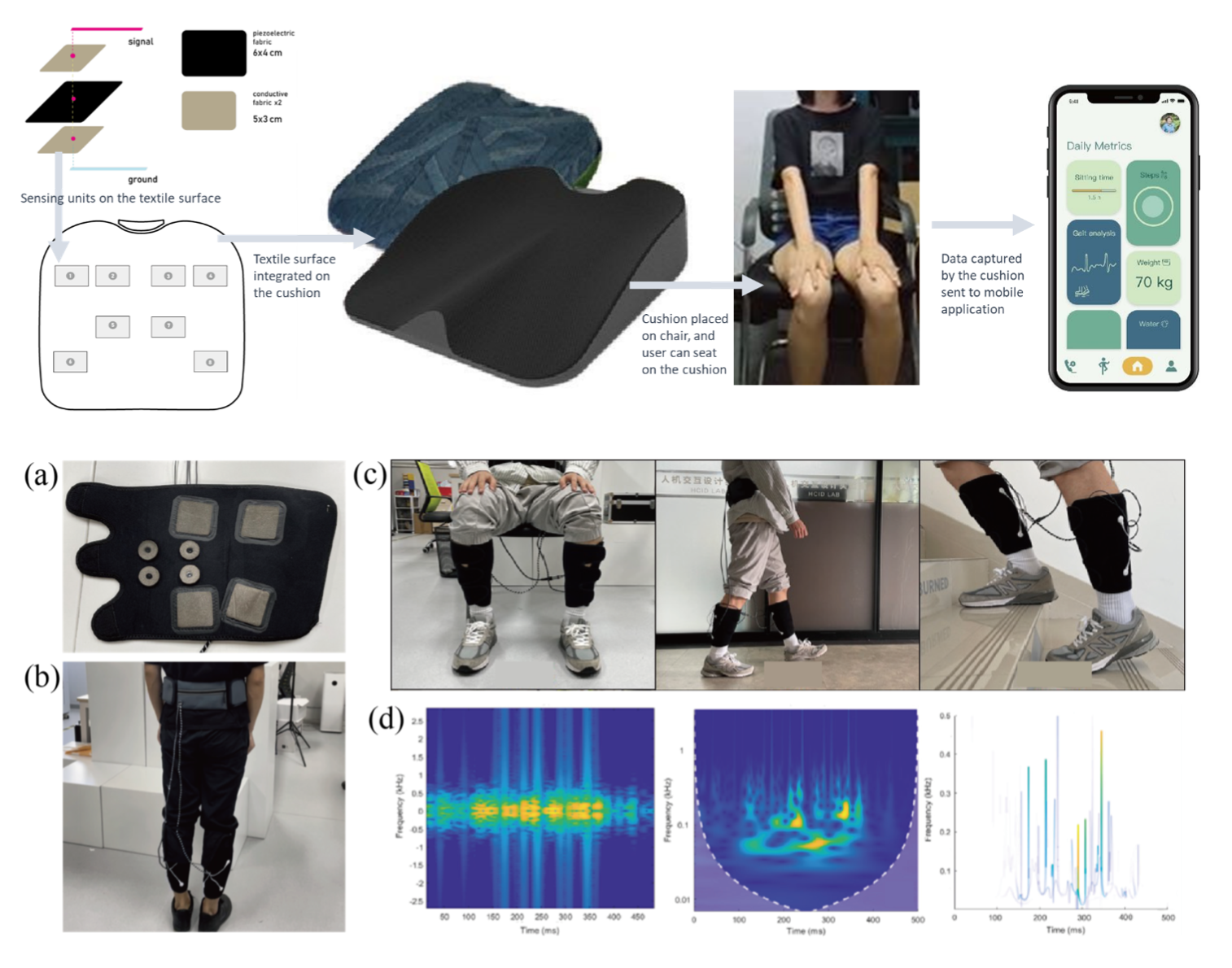 From monitoring to proactive healthcare: Cases exploring embodiment and AI in smart textile designMartijn ten Bhömer, Qi Wang, Ziqian Bai, and 3 more authorsThe Design Journal, Jun 2025
This paper examines the integration of smart textiles and artificial intelligence (AI) in healthcare, focusing on the shift from monitoring to proactive interventions. Through a series of case studies, it identifies generic design challenges and opportunities for proactive healthcare applications and explores design qualities within Smart Textiles, Data & AI, and Embodiment to guide future practices. Findings emphasize the strategic integration of sensors within textile structures, enabling embodied feedback mechanisms, enhancing user engagement and acceptance. Additionally, the study underscores how participatory design approaches can foster long-term health behaviors, reduce burdens on healthcare systems, and enhance patient autonomy by actively involving users and healthcare professionals in the design process. While this work identifies new avenues for proactive and holistic healthcare solutions, it also addresses challenges related to AI-driven data handling, privacy, and ethical concerns, reinforcing the need for transparent, secure, and ethically responsible practices as these technologies advance.
@article{from-monitoring-to-proactive-healthcare,
  title = {From monitoring to proactive healthcare: Cases exploring embodiment and AI in smart textile design},
  author = {{ten Bhömer}, Martijn and Wang, Qi and Bai, Ziqian and Jiang, Mengqi and Qu, Nianchong and Wu, Zhen},
  year = {2025},
  month = jun,
  journal = {The Design Journal},
  publisher = {Routledge},
  pages = {1--24},
  doi = {10.1080/14606925.2025.2512320},
}
2024
-
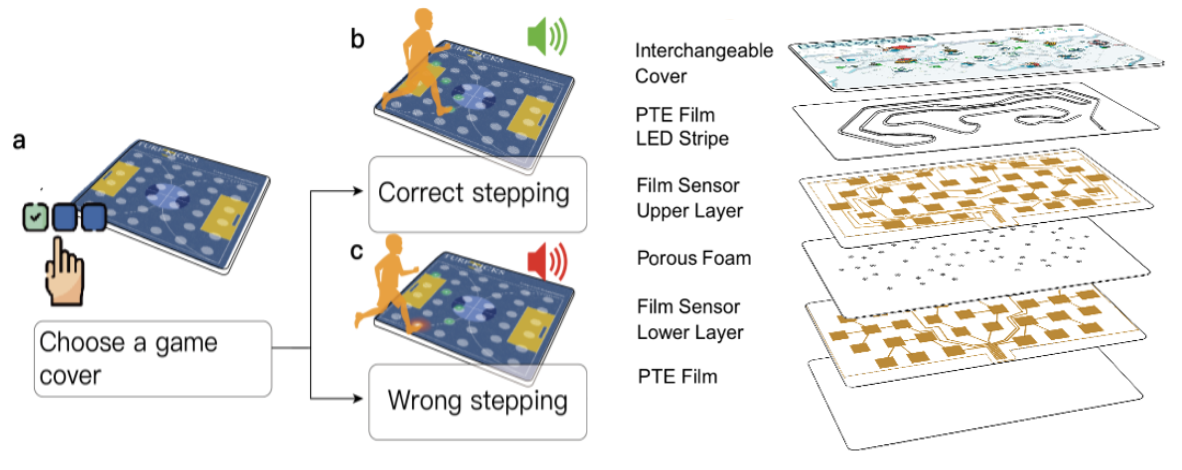 Customisable Lower Limb Rehabilitation Carpet for Children with Cerebral PalsyYaxuan Liu, Yijia An, Keming Zhang, and 4 more authorsIn Companion Proceedings of the 2024 Conference on Interactive Surfaces and Spaces, Vancouver, BC, Canada, Oct 2024
Cerebral Palsy (CP) affects motor coordination, resulting in slow walking and irregular step and stride lengths. Effective rehabilitation exercises are essential for strengthening leg muscles and enhancing mobility in children with CP. However, traditional hospital rehabilitation programs often lack engagement, making it challenging for children to maintain consistent participation. Additionally, many advanced lower extremity rehabilitation systems remain largely inaccessible. This study introduces an interactive gaming carpet combined with intelligent gait pattern analysis to enhance rehabilitation efforts. The gaming carpet employs visual and auditory cues to train leg coordination and correct stepping patterns, making the exercises more engaging for children. Meanwhile, the intelligent gait analysis system provides therapists with objective data to assess conditions and develop personalized exercise plans. Initial tests indicate that this system effectively engages children and improves adherence to rehabilitation exercises, while also providing accurate progress monitoring. This innovative approach demonstrates significant potential for integrating game-based interventions and data analysis into CP rehabilitation, offering practical solutions for both clinical and home-based settings.
@inproceedings{customisable-lower-limb-rehabilitation-carpet,
  title = {Customisable Lower Limb Rehabilitation Carpet for Children with Cerebral Palsy},
  author = {Liu, Yaxuan and An, Yijia and Zhang, Keming and {ten Bhömer}, Martijn and Bu, Qinglei and Sun, Jie and Chen, Siyuan},
  year = {2024},
  month = oct,
  booktitle = {Companion Proceedings of the 2024 Conference on Interactive Surfaces and Spaces},
  location = {Vancouver, BC, Canada},
  publisher = {Association for Computing Machinery},
  address = {New York, NY, USA},
  series = {ISS Companion '24},
  doi = {10.1145/3696762.3698050},
  isbn = {9798400712784},
}
2022
-
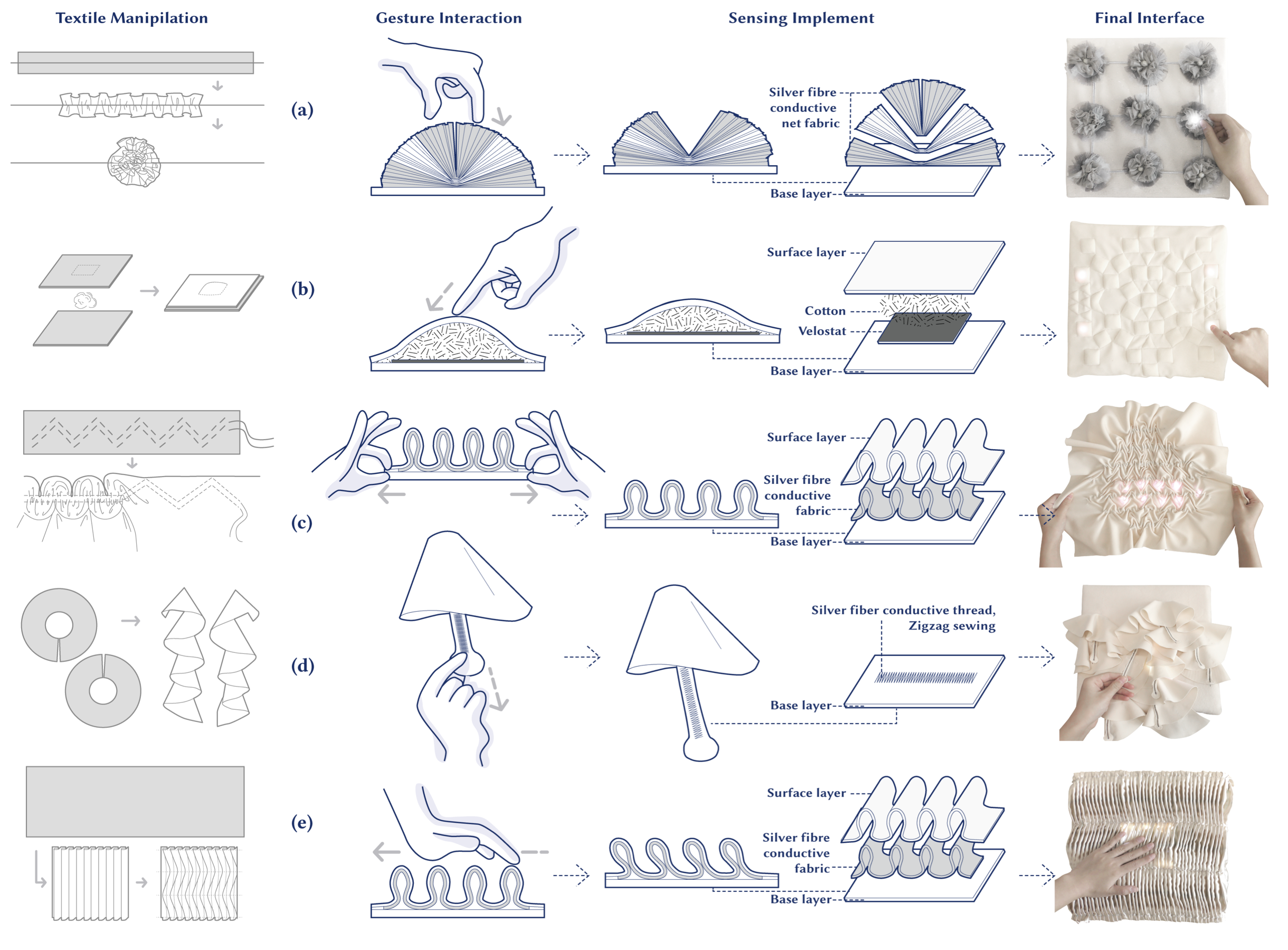 GesFabri: Exploring Affordances and Experience of Textile Interfaces for Gesture-based InteractionMengqi Jiang, Vijayakumar Nanjappan, Hai-Ning Liang, and 1 more authorProc. ACM Hum.-Comput. Interact., Jun 2022
Textile interfaces are of interest to ubiquitous computing as they are easy to carry and manipulate. However, interesting questions remain about what type of natural gestures people make when interacting with textile interfaces and their emotional response to this interaction. We introduce GesFabri, a set of five interactive textile interfaces with distinct textures, created to investigate the intuitive interaction gestures and accompanied the emotional experience. This research sought to (1) design textile interfaces with intuitive gesture affordance, (2) explore the emotional effects of the developed gesture-based interfaces under four feedback modes (touch-only, visual feedback, audio feedback, multisensory feedback). The experimental results verify our hypotheses that (1) textile texture could provide natural gesture affordances; (2) the GesFabri interfaces’ feedback mode was the main factor in the differences of emotional valence, arousal, GSR; and (3) both gesture-based interaction on textiles and the feedback mode had an impact on user emotions. These results highlight the gesture affordances of the e-textile interfaces and contribute to a better understanding of the user experience when interacting with gesture-based textile interfaces.
@article{Jiang2022-hc,
  title = {GesFabri: Exploring Affordances and Experience of Textile Interfaces for Gesture-based Interaction},
  author = {Jiang, Mengqi and Nanjappan, Vijayakumar and Liang, Hai-Ning and {ten Bhömer}, Martijn},
  year = {2022},
  month = jun,
  journal = {Proc. ACM Hum.-Comput. Interact.},
  publisher = {Association for Computing Machinery},
  address = {New York, NY, USA},
  volume = {6},
  number = {EICS},
  doi = {10.1145/3534522},
}
2021
-
 In-Situ exploration of emotion regulation via smart clothing: an empirical study of healthcare workers in their work environmentMengqi Jiang, Vijayakumar Nanjappan, Hai-Ning Liang, and 1 more authorFeb 2021
Healthcare personnel suffer from an increased risk of stress, burnout, and depression due to the challenges of the COVID-19 pandemic. Studies show that interactive smart textiles help people alleviate their emotions. In this research, we investigate how to utilise interactive textiles to help healthcare workers mitigate their negative feelings. We have designed a smart t-shirt that encourages its wearers to perform body movements to enhance their positive emotions, stimulated by vibrotactile and audio feedback mechanisms. We demonstrate our smart t-shirt’s utility by asking healthcare workers (including physicians and nurses) to use it for five consecutive days. Our prototype design supports using it anywhere, including work, home, and other places. We evaluated our smart t-shirt prototype for emotion regulations at work for healthcare workers through an in-situ user study conducted at three hospitals. Results show that using the smart t-shirt positively impacts the healthcare workers’ immediate emotion regulation when they experienced emotion fluctuation and provided a more positive attitude towards their work. We conclude by analysing the potential factors that influence emotions and outline the design space of e-textiles for emotion regulation in real-life use.
@article{Jiang2021-nu, title = {In-Situ exploration of emotion regulation via smart clothing: an empirical study of healthcare workers in their work environment}, author = {Jiang, Mengqi and Nanjappan, Vijayakumar and Liang, Hai-Ning and {ten Bhömer}, Martijn}, year = {2021}, month = feb, publisher = {Informa UK Limited}, volume = {43}, pages = {419--432}, doi = {10.1080/0144929X.2021.1975821}, url = {https://www.tandfonline.com/doi/full/10.1080/0144929X.2021.1975821}, journaltitle = {Behav. Inf. Technol.}, issue = {3}, } -
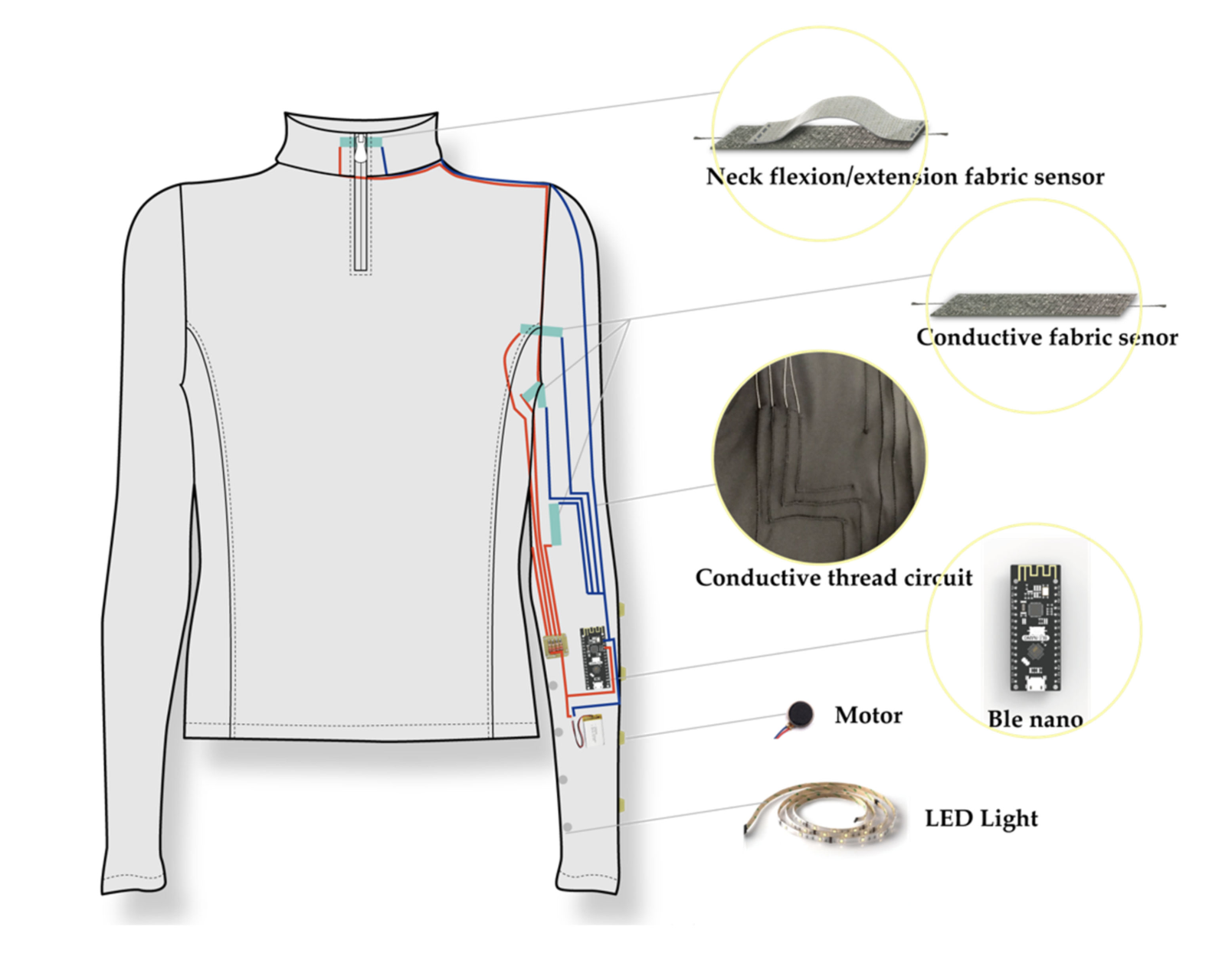 On the Use of Movement-Based Interaction with Smart Textiles for Emotion RegulationMengqi Jiang, Vijayakumar Nanjappan, Martijn ten Bhömer, and 1 more authorFeb 2021
Research from psychology has suggested that body movement may directly activate emotional experiences. Movement-based emotion regulation is the most readily available but often underutilized strategy for emotion regulation. This research aims to investigate the emotional effects of movement-based interaction and its sensory feedback mechanisms. To this end, we developed a smart clothing prototype, E-motionWear, which reacts to four movements (elbow flexion/extension, shoulder flexion/extension, open and closed arms, neck flexion/extension), fabric-based detection sensors, and three-movement feedback mechanisms (audio, visual and vibrotactile). An experiment was conducted using a combined qualitative and quantitative approach to collect participants’ objective and subjective emotional feelings. Results indicate that there was no interaction effect between movement and feedback mechanism on the final emotional results. Participants preferred vibrotactile and audio feedback rather than visual feedback when performing these four kinds of upper body movements. Shoulder flexion/extension and open-closed arm movements were more effective for improving positive emotion than elbow flexion/extension movements. Participants thought that the E-motionWear prototype were comfortable to wear and brought them new emotional experiences. From these results, a set of guidelines were derived that can help frame the design and use of smart clothing to support users’ emotional regulation.
@article{Jiang2021-wy, title = {On the Use of Movement-Based Interaction with Smart Textiles for Emotion Regulation}, author = {Jiang, Mengqi and Nanjappan, Vijayakumar and {ten Bhömer}, Martijn and Liang, Hai-Ning}, year = {2021}, month = feb, volume = {21}, doi = {10.3390/s21030990}, journaltitle = {Sensors}, issue = {3}, } -
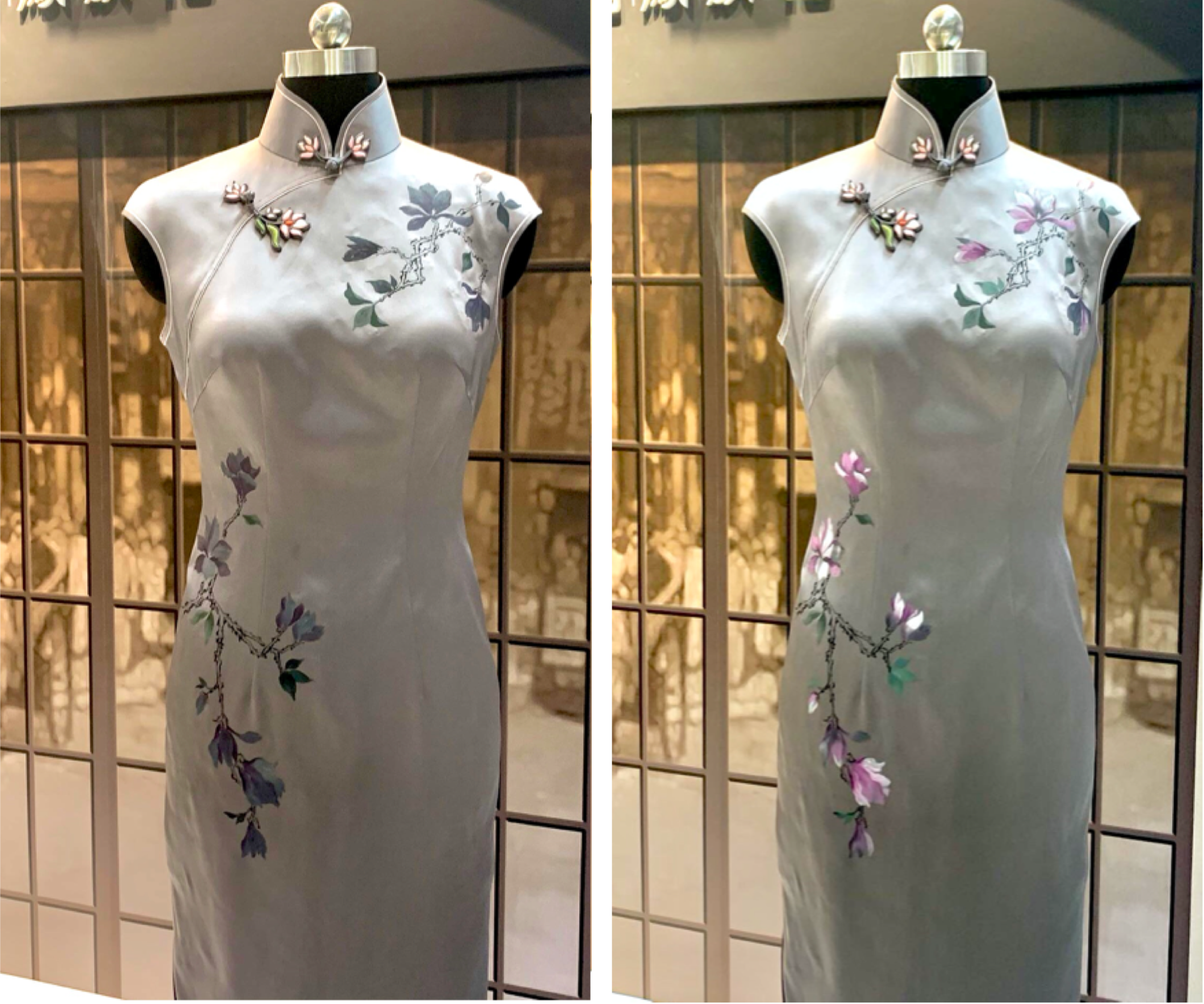 Seasons: Exploring the Dynamic Thermochromic Smart Textile Applications for Intangible Cultural Heritage RevitalizationQi Wang, Ying Ye, Martijn ten Bhömer, and 2 more authorsIn Human-Computer Interaction – INTERACT 2021, Feb 2021
Smart textiles have attracted great attention from Human-Computer Interaction and this study explored how dynamic thermochromic textiles may contribute to the transmission and revitalization of textile Intangible Cultural Heritage (ICH). We proposed Seasons which is an interactive cheongsam developed as a novel exploration in traditional craftsmanship of Shanghai-style cheongsam and smart textiles. Seasons consists of animated visual patterns including 4 stages, new leaves sprout and flowers from buds to full bloom as demonstrations of spring and summer, while leaves turn yellow in autumn and snow comes in winter. Subsequently, we presented the implementation process, feedback from the inheritors of ICH and visitors in the exhibition. In conclusion, we explored how computational thermochromic patterns may enhance the aesthetic and expression in traditional clothing. There is a great design space for thermal-activated smart textiles and this paper is believed to contribute to the future development of smart textile applications for ICH.
@inproceedings{Wang2021-ic,
  title = {Seasons: Exploring the Dynamic Thermochromic Smart Textile Applications for Intangible Cultural Heritage Revitalization},
  author = {Wang, Qi and Ye, Ying and {ten Bhömer}, Martijn and Jiang, Mengqi and Sun, Xiaohua},
  year = {2021},
  month = feb,
  booktitle = {Human-Computer Interaction -- INTERACT 2021},
  pages = {92--99},
  doi = {10.1007/978-3-030-85610-6_6},
  isbn = {978-3-030-85610-6},
}
2020
-
 Actuating wearables for motor skill learning: a constructive design research perspectivePanos Markopoulos, Qi Wang, Oscar Tomico, and 5 more authorsOct 2020
The integration of actuators into wearables to support haptic output and shape change provides an alternative to overused modalities like audio and video that allows a tighter coupling of feedback to body parts. Adopting a researchthrough-design approach, we report on six design explorations on how actuated clothing can support users to learn a movement skill, e.g. for sports or for the purposes of rehabilitation. Our exploration of actuation in wearables focuses on the aesthetics of form and of interaction, especially in relation to expressiveness and supporting how the user relates to other individuals. In this article, we discuss challenges and design potentials related to user experience and aesthetics of actuating wearables in this context.
@article{actuating-wearables-for-motor-skill-learning, title = {Actuating wearables for motor skill learning: a constructive design research perspective}, author = {Markopoulos, Panos and Wang, Qi and Tomico, Oscar and Goveia da Rocha, Bruna and {ten Bhömer}, Martijn and Giacolini, Luca and Palaima, Mantas and Virtala, Nita}, year = {2020}, month = oct, publisher = {Routledge}, volume = {4}, pages = {231--251}, journaltitle = {Design for Health}, issue = {2}, doi = {10.1080/24735132.2020.1807154} } -
 Weaving Healthy Behaviors into New Technology Routines: Designing in (and for) the COVID-19 Work-from-Home PeriodXipei Ren, Pengcheng An, Tilde Bekker, and 5 more authorsIn Companion Publication of the 2020 ACM Designing Interactive Systems Conference, New York, NY, USA, Jul 2020
Sitting in front of computers has become a major part of our workaday routines, challenging us in maintaining active and healthy lifestyles. This challenge becomes even more salient during this worldwide work-fromhome period due to COVID-19. While a wide variety of existing interactive systems have been developed to facilitate health tracking and healthy exercises, relatively little research concerns incorporating healthy behaviors as HCI elements. To maximize pervasive health benefits in users’ technology routines, this workshop sets out to explore a design paradigm that enables users to use lightweight, healthy behaviors to perform daily interactions with computing systems. To navigate this new design space, this workshop calls for interdisciplinary endeavors, synergizing expertise from HCI design, health informatics, persuasive technology, exertion game, and psychology.
@inproceedings{Ren2020-fn, title = {Weaving Healthy Behaviors into New Technology Routines: Designing in (and for) the {COVID}-19 Work-from-Home Period}, author = {Ren, Xipei and An, Pengcheng and Bekker, Tilde and Chen, Yu and Khot, Rohit Ashok and {ten Bhömer}, Martijn and Wang, Yunlong and Spina, Gabriele}, year = {2020}, month = jul, booktitle = {Companion Publication of the 2020 ACM Designing Interactive Systems Conference}, location = {New York, NY, USA}, publisher = {Association for Computing Machinery}, doi = {10.1145/3393914.3395911}, } -
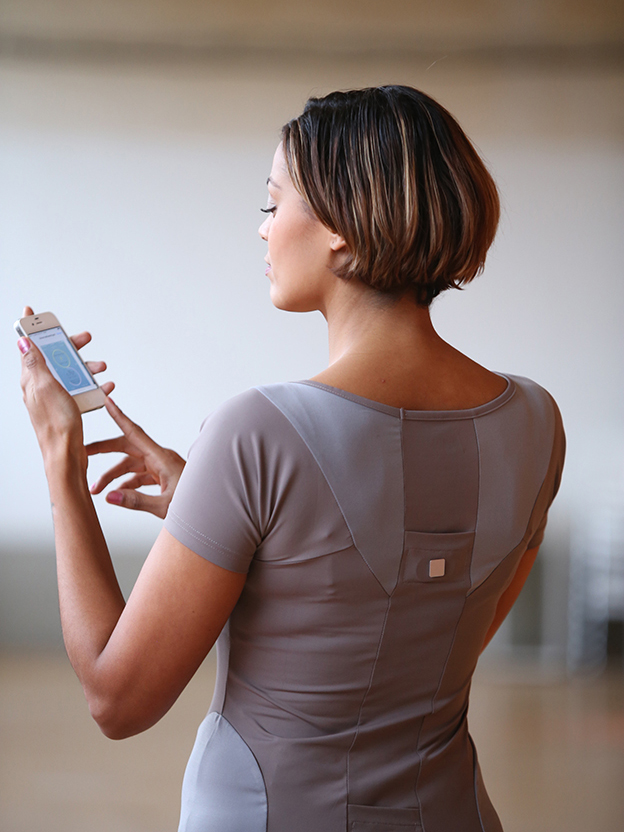 Designing Towards Inward-Oriented Fashion Technology: Demo ProjectsMarina Toeters, Lianne Toussaint, Kevin Russell, and 1 more authorIn Companion Publication of the 2020 ACM Designing Interactive Systems Conference, New York, NY, USA, Jul 2020
Fashion technology designs typically combine sensing technology and actuators to register and respond to information about the environment and/or the human body. The ways in which designers use and integrate these data into garments, however, varies on a scale from highly theatrical and outward-oriented designs to subtle and inward-oriented applications. This pictorial presents five garment designs created between 2013 and 2020, that occupy the more utilitarian and inward-oriented end of the fashion technology spectrum. We demonstrate five designs that combine sensing and actuation, highlighting the benefits of direct biofeedback and of keeping the personal data within the garment. The selection of projects aims to search the right balance between sensing and actuation.
@inproceedings{Toeters2020-le, title = {Designing Towards Inward-Oriented Fashion Technology: Demo Projects}, author = {Toeters, Marina and Toussaint, Lianne and Russell, Kevin and {ten Bhömer}, Martijn}, year = {2020}, month = jul, booktitle = {Companion Publication of the 2020 ACM Designing Interactive Systems Conference}, location = {New York, NY, USA}, publisher = {Association for Computing Machinery}, doi = {10.1145/3393914.3397093}, } -
 The (New) Roles of Prototypes During the Co-Development of Digital Product Service SystemsMaaike S. Kleinsmann and Martijn ten BhömerApr 2020
This paper investigates different roles that prototypes play during the development of digital Product Service Systems (PSSs). A literature review reveals that prototyping supports designers during the design process, as well as during knowledge sharing processes with stakeholders. To create a better understanding of these two co-existing roles of prototyping, we executed a research-through-design project in the healthcare domain. This design project was centred around the development of four different prototypes that the designer sequentially developed. A major input into the design process was co-reflection sessions between the designer and different stakeholders. We analysed the prototyping process and the co-reflection sessions. Moreover, we executed a conversational analysis to understand the actual knowledge sharing processes between the designer and the different stakeholders. The results present a detailed overview of the different (co-existing) roles of the prototypes. We distinguished two new types of prototypes which were both related to the development of the intangible aspects of the digital PSS: (1) service interface prototrial aimed at exploring several options for detailing the different intangible aspects of the digital PSS, and (2) service provotype to stimulate collaborative creation of the intangible aspects of the digital PSS in an early stage.
@article{new-roles-of-prototypes-during-the-co-development-of-digital-pss, title = {The (New) Roles of Prototypes During the Co-Development of Digital Product Service Systems}, author = {Kleinsmann, Maaike S. and {ten Bhömer}, Martijn}, year = {2020}, month = apr, publisher = {International Journal of Design}, volume = {14}, pages = {65--79}, journaltitle = {International Journal of Design}, issue = {1}, } -
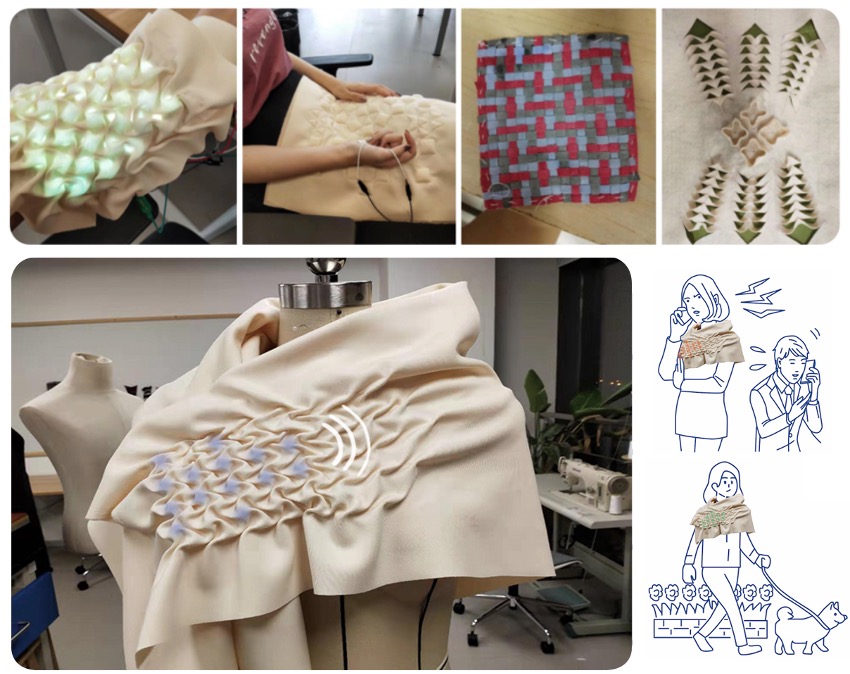 Exploring the Design of Interactive Smart Textiles for Emotion RegulationMengqi Jiang, Martijn ten Bhömer, and Hai-Ning LiangIn HCI International 2020 – Late Breaking Papers: Digital Human Modeling and Ergonomics, Mobility and Intelligent Environments, Nov 2020
The present study aims to investigate the design of interactive textiles for emotion regulation. In this work we proposed a design which allows users to visualize their physiological data and help regulate their emotions. We used the Research through Design method to explore how physiological data could be represented in four different interactive textiles and how movement-based interaction could be designed to support users’ understanding and regulation of their emotional state. After an initial user interview evaluation with several textile prototypes, light and vibration were selected as modalities within the biofeedback-based interaction. A smart interactive shawl that reacts to changes in emotional arousal was designed to help the users know their emotion and adjust it, if necessary, with the support of electrodermal activity sensor and pressure-based sensors. The results of the second study showed that the smart shawl could help the user to visualize their emotions and reduce their stress level by interacting with it.
@inproceedings{Jiang2020-qr,
  title = {Exploring the Design of Interactive Smart Textiles for Emotion Regulation},
  author = {Jiang, Mengqi and {ten Bhömer}, Martijn and Liang, Hai-Ning},
  year = {2020},
  month = nov,
  booktitle = {HCI International 2020 -- Late Breaking Papers: Digital Human Modeling and Ergonomics, Mobility and Intelligent Environments},
  doi = {10.1007/978-3-030-59987-4_22},
}
2019
-
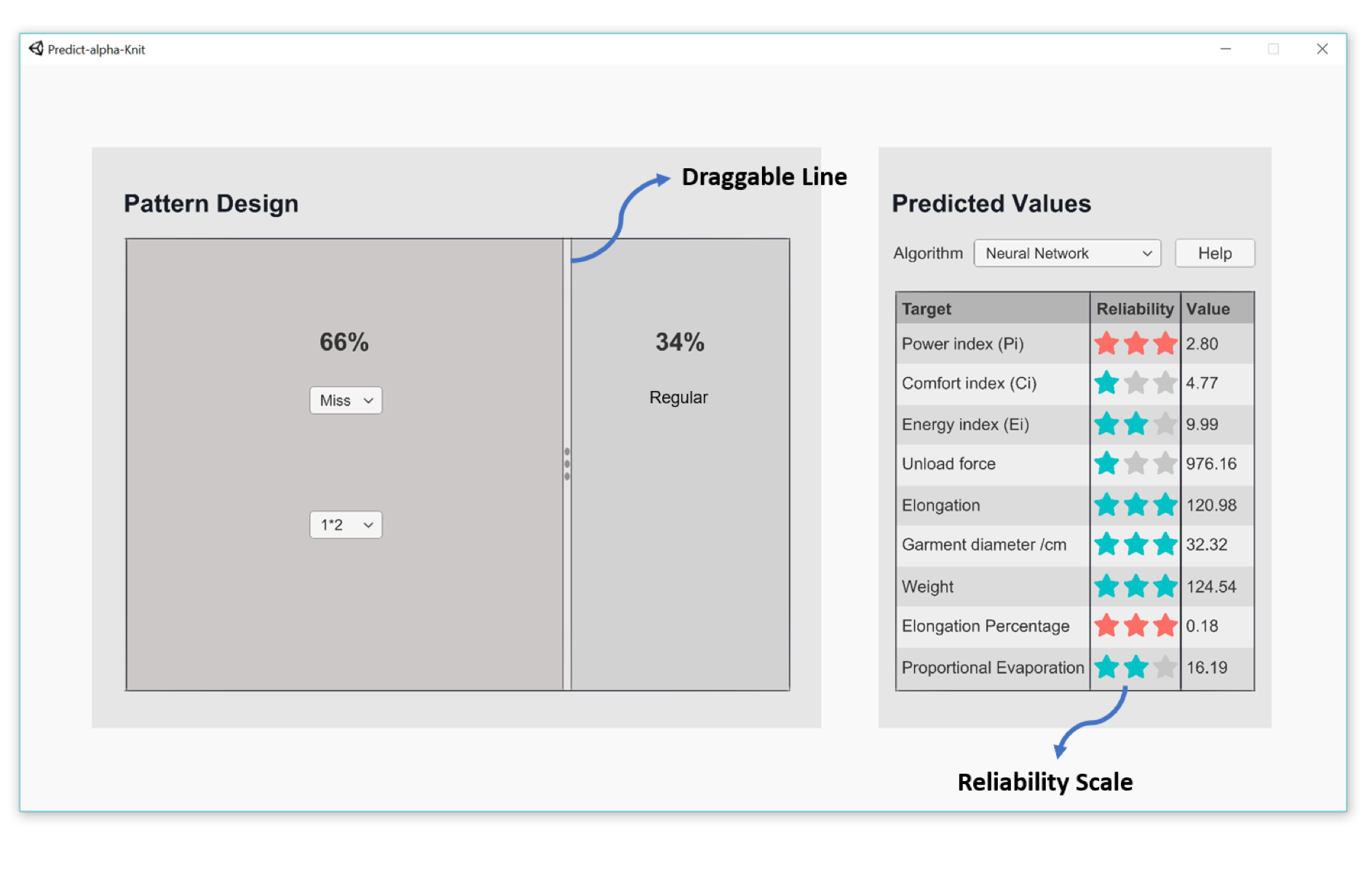 Machine Learning Enhanced User Interfaces for Designing Advanced KnitwearMartijn ten Bhömer, Hai-Ning Liang, and Difeng YuIn HCI International 2019 - Posters. HCII 2019. Communications in Computer and Information Science, vol 1033., Jul 2019
The relationship between visual appearance and structure and technical properties of a knitted fabric is subtle and complex. This is an area that has been traditionally problematic within the knitting sector, understanding between technologists and designers is hindered which limits the possibility of dialogues from which design innovation can emerge. Recently there has been interest from the Human-Computer Interaction (HCI) community to narrow the gap between product design and knitwear. The goal of this article is to show the potential of predictive software design tools for fashion designers who are developing personalized advanced functionalities in textile products. The main research question explored in this article is: “How can designers benefit from intelligent design software for the manufacturing of personalized advanced functionalities in textile products?”. In particular we explored how to design interactions and interfaces that use intelligent predictive algorithms through the analysis of a case study, in which several predictive algorithms were compared in the practice of textile designers.
@inproceedings{machine-learning-enhanced-ui, title = {Machine Learning Enhanced User Interfaces for Designing Advanced Knitwear}, author = {{ten Bhömer}, Martijn and Liang, Hai-Ning and Yu, Difeng}, year = {2019}, month = jul, booktitle = {HCI International 2019 - Posters. HCII 2019. Communications in Computer and Information Science, vol 1033.}, doi = {10.1007/978-3-030-23528-4_30}, editor = {Stephanidis, Constantine}, } -
 Application of Robust Design Techniques for 3D Printing on TextilesMartijn ten Bhömer, Derrick Tate, Shixuan Wang, and 2 more authorsIn Advances in Additive Manufacturing, Modeling Systems and 3D Prototyping, Jun 2019
The goal of this article is to show the opportunities and limitations of Robust Design techniques in the design process of developing new applications that combine 3D printing and textiles. Two case studies are discussed in which various elements of Robust Design techniques were used to understand and improve the adhesion strength of 3D printed material on fabric and the pressure exerted by a pneumatic actuator for the purpose of acupressure point manipulation. The advantage of combining 3D printing and textiles is the possibility to transform the properties of a regular textile material by using additive manufacturing. This can be beneficial for the design of specific products and contexts, for example to add mechanical or electronic functions. The experiments presented in this paper were executed as part of an undergraduate course taught to design students in the context of an Industrial Design program.
@inproceedings{application-of-robust-design, title = {Application of Robust Design Techniques for {3D} Printing on Textiles}, author = {{ten Bhömer}, Martijn and Tate, Derrick and Wang, Shixuan and Campanile, Filippo and Chen, Yaoyu}, year = {2019}, month = jun, booktitle = {Advances in Additive Manufacturing, Modeling Systems and 3D Prototyping}, volume = {975}, doi = {10.1007/978-3-030-20216-3_15}, } -
 Designing Predictive Tools for Personalized Functionalities in Knitted Performance WearMartijn ten Bhömer, Hai-Ning Liang, Difeng Yu, and 4 more authorsJun 2019
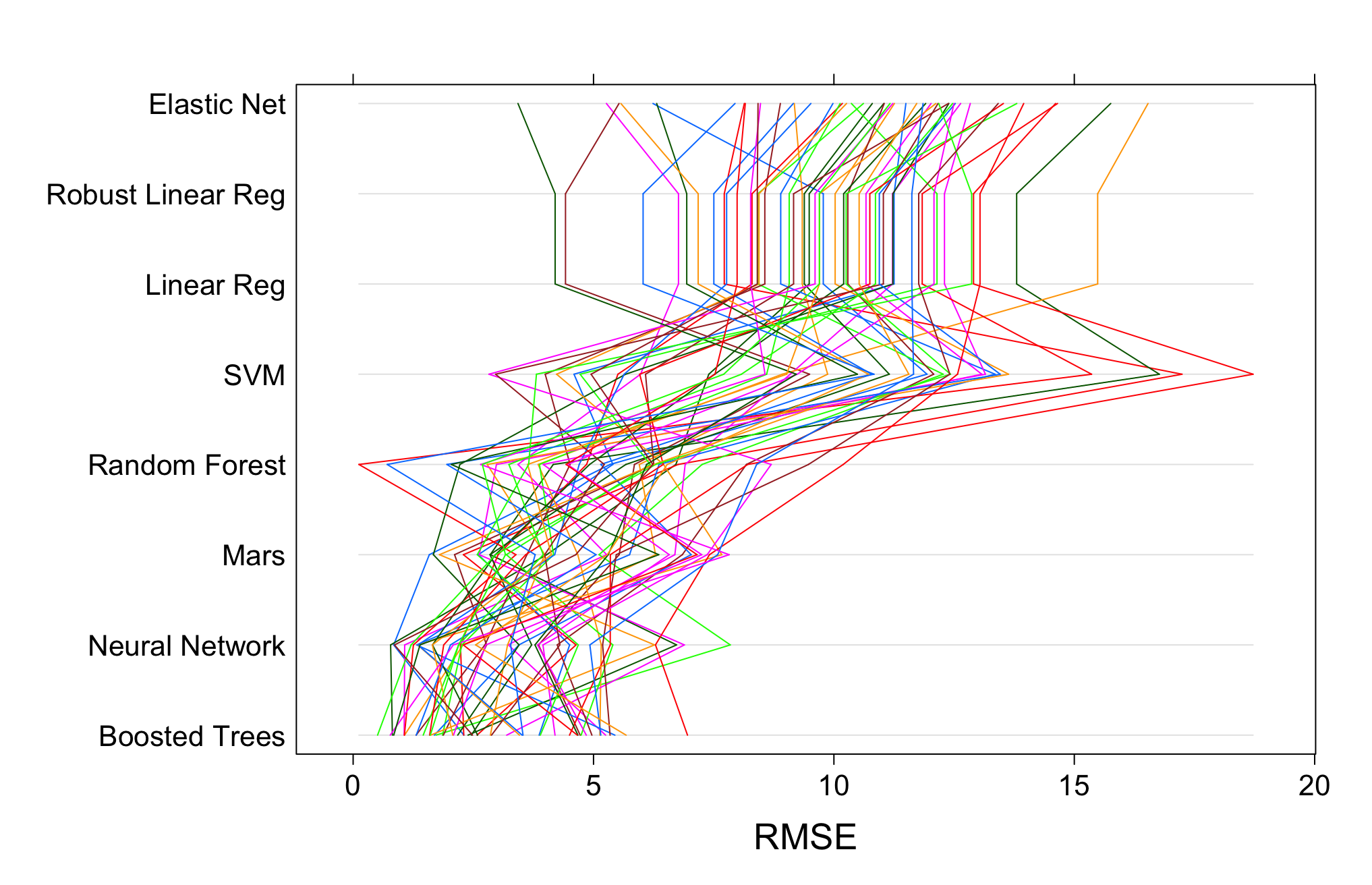
Developments of advanced textile manufacturing techniques—such as 3D body-forming knitwear machinery—allows the production of almost finalized garments, which require little to no further production steps to finalize the garment. Moreover, advanced knitting technology in combination with new materials enables the integration of localized functionalities within a garment on a “stitch by stitch level.” There is potential in enhancing the design tools for advanced knitting manufacturing through the use of technologies such as data gathering, machine learning, and simulation. This approach reflects the potential of Industry 4.0, as design, product development, and manufacturing are moving closer together. However, there is still limited knowledge at present about how these new technologies and tools can have an impact on the creative design process. The case study presented in this paper explores the potential of predictive software design tools for fashion designers who are developing personalized advanced functionalities in textile products. The main research question explored in this article is: “How can designers benefit from intelligent design software for the manufacturing of advanced personalized functionalities in textile products?”. Within this larger research question three sub-research questions are explored: (1) What kind of advanced functionalities can be considered for the personalization process of knitwear? (2) How to design interactions and interfaces that use intelligent predictive algorithms to stimulate creativity during the fashion design process? (3) How will predictive software impact the manufacturing process for other stakeholders and production steps? These questions are investigated through the analysis of a Research Through Design case study, in which several predictive algorithms were compared and implemented in a user interface that would aid knitwear designers during the development process of high-performance running tights.
@article{designing-predictive-tools,
  title = {Designing Predictive Tools for Personalized Functionalities in Knitted Performance Wear},
  author = {{ten Bhömer}, Martijn and Liang, Hai-Ning and Yu, Difeng and Liu, Yuanjin and Zhang, Yifan and de Laat, Eva and Leegwater, Carola},
  year = {2019},
  month = jun,
  volume = {35},
  pages = {42--75},
  doi = {10.46467/TdD35.2019.42-75},
  journaltitle = {Temes de disseny},
  issue = {1},
}
2018
-
 Body Inspired Design for Knitted Body-Protection WearablesMartijn ten Bhömer, Ruggero Canova, and Eva LaatIn Proceedings of the 2018 ACM Conference Companion Publication on Designing Interactive Systems, Hong Kong, China, Jun 2018
In this provocation, we aim to show that body inspired design techniques can be used to inspire the development process of advanced functional knitting technologies. We believe that approaching this area from the perspective of industrial and interaction design spheres, could potentially complement fashion and textile designers’ viewpoints. We conclude that interactions with technology go beyond traditional "computer" based systems. In this case, the patterns and functionalities programmed into the material using circular knitting. This is demonstrated by reflecting on an Industrial Design educational module which focused on the design of "Body protection wearables". Students were asked to limit materials by creating designs that could be produced as one single piece, without post-production procedures. Testing their designs with full-scale prototypes at each stage of development, the students could understand potential advantages and drawbacks just by wearing them.
@inproceedings{body-inspired-design, title = {Body Inspired Design for Knitted Body-Protection Wearables}, author = {{ten Bhömer}, Martijn and Canova, Ruggero and de Laat, Eva}, year = {2018}, month = jun, booktitle = {Proceedings of the 2018 ACM Conference Companion Publication on Designing Interactive Systems}, location = {Hong Kong, China}, publisher = {Association for Computing Machinery}, doi = {10.1145/3197391.3205425}, } -
 Designing Personalized Movement-based Representations to Support YogaMartijn ten Bhömer and Hanxiao DuIn Proceedings of the 2018 ACM Conference Companion Publication on Designing Interactive Systems, Hong Kong, China, Jun 2018
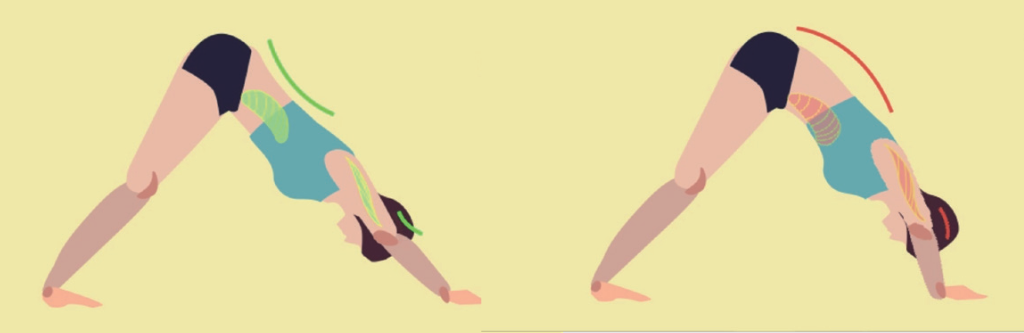
An inherent consequence of the turn to a third-wave HCI is the need to design for diversity in interaction and therefore a need for personalization of movement-based interactions, based on each’s skills and characteristics. However, one of the major challenges is the question how designers can represent movement. Personalization is an essential issue in Yoga practice because there are no standard movements. The specific actions and poses depend on the individual body conditions of each practitioner. Three movement-based representations for personalized feedback during Yoga were developed (visual, auditory and haptic). Different participants offered different explanations about the feedback they received during the exercises. This leads us to believe that there is indeed a need for personalization of movement-based representations.
@inproceedings{personalized-movement-based-representations-to-support-yoga,
  title = {Designing Personalized Movement-based Representations to Support Yoga},
  author = {{ten Bhömer}, Martijn and Du, Hanxiao},
  year = {2018},
  booktitle = {Proceedings of the 2018 ACM Conference Companion Publication on Designing Interactive Systems},
  location = {Hong Kong, China},
  publisher = {Association for Computing Machinery},
  doi = {10.1145/3197391.3205450},
}
2016
-
 Designing embodied smart textile services: The role of prototypes for project, community and stakeholdersMartijn ten BhömerFeb 2016Doctoral dissertation
The age of wearables has been a prophecy for decades, with visions such as the disappearing computer bringing technology everywhere around us. Previously rigid and hard technology is being transformed and shaped to the body, for example in wristbands, activity trackers and glasses. This raises the question as to how close-to-the-body products and services can become truly meaningful to people’s lives, and more closely connected to our bodily experiences than the current generation of wearable technology. Technological developments in textiles and technology make it possible to augment the existing qualities of textiles with sensing capability (for example, measuring touch, stretch, movement, light, and sound) and actuation capabilities (for example, changing heat, color, light, and shape). By combining intangible properties from services (for example, the ability to measure and store data or change the functionality of a material over time), it becomes possible to tailor smart textiles to individual users. Smart Textile Services are a type of Product-service Systems (PSS’s) where the value for the end-user is achieved by combining an interactive physical component (the smart textile) with intangible components, such as digital data or interpersonal relations. The influence of embodiment, emotions and the phenomenological significance of ways of expression on the service are aspects not widely recognized in service design because service research has always focussed on an information process approach. Both the design process and the result tend to be disembodied, because of limited awareness of the corporal, situated and social elements.
@misc{designing-embodied-smart-textile-services, title = {Designing embodied smart textile services: The role of prototypes for project, community and stakeholders}, author = {{ten Bhömer}, Martijn}, year = {2016}, month = feb, note = {Doctoral dissertation}, type = {phdthesis}, editor = {Hummels, Caroline and Tomico, Oscar and Kleinsmann, M S}, institution = {Eindhoven University of Technology}, } -
 Designing ultra-personalised embodied smart textile services for well-beingMartijn ten Bhömer, Oscar Tomico, and Stephan A G WensveenIn Advances in Smart Medical Textiles, Oxford, Jan 2016
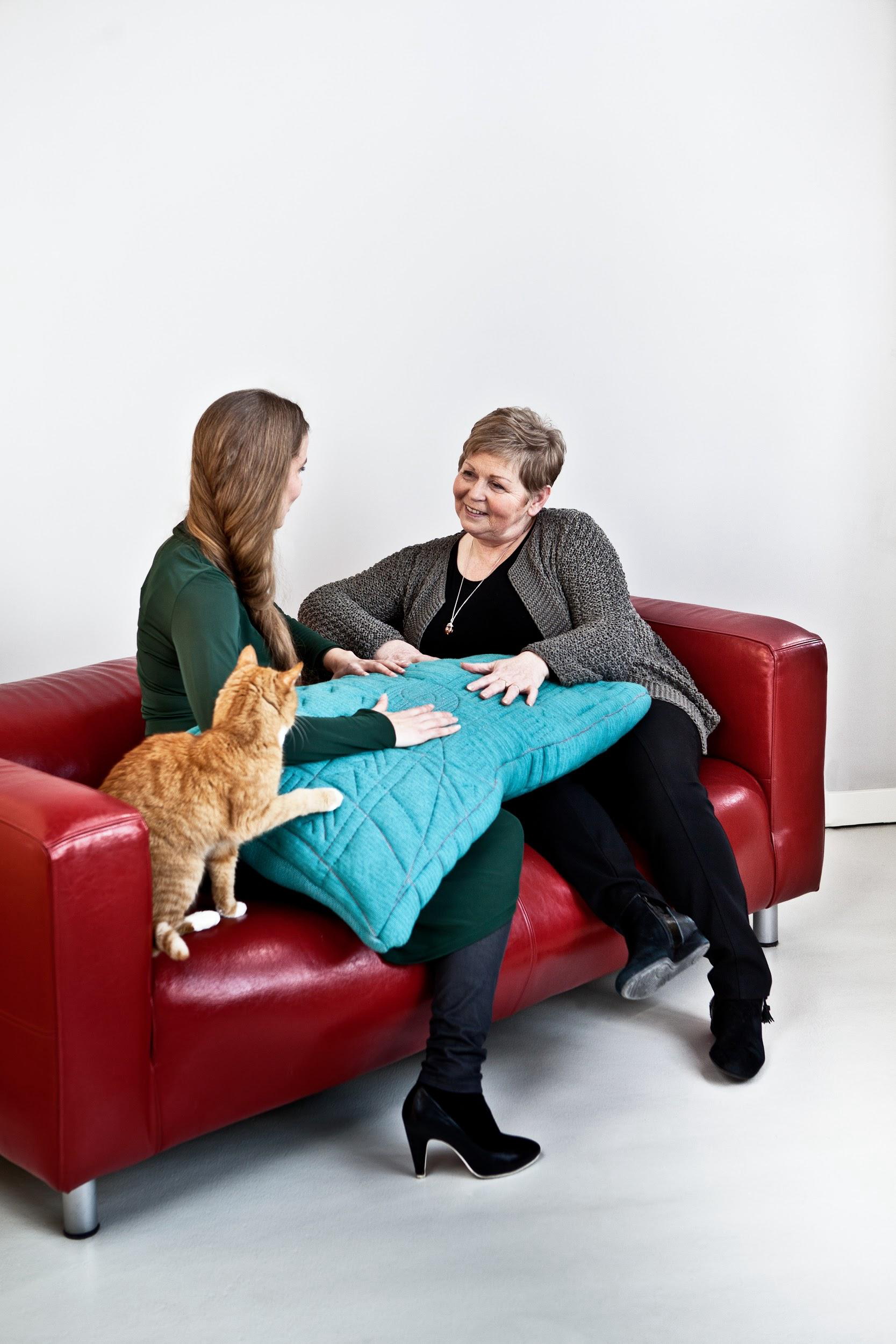
Smart textiles are becoming more integrated with service ecosystems that go beyond the current horizontal textile value chain. This will extend the material and tangible properties of smart textiles to intangible properties from services, such as the ability to measure and store data and change the functionality of a material over time. It is thus becoming more urgent for textile developers and service providers to work closer together to develop these types of smart textile services (STSs). This opens up a vast field of opportunities for textile developers, product designers, and service designers to combine their disciplines to develop close-to-the-body applications in the area of well-being. The role of the body, the degree of personalisation, and the prototyping process provide opportunities for ultra-personalisation within these new types of embodied STSs. We present an overview of commercially available STSs based on these three elements. We then analyse three STSs that we have developed in the context of well-being. We advocate that within the exemplified STSs the service interface is strongly connected to the bodily senses of the people using the service. This connection is further specified with three notions of ultra-personalisation: personalisation through the material properties, the design of the garment, and the programming of the interactions with the wearer.
@incollection{designing-ultra-personalised-embodied-smart-textile-services,
  title = {Designing ultra-personalised embodied smart textile services for well-being},
  author = {{ten Bhömer}, Martijn and Tomico, Oscar and Wensveen, Stephan A G},
  year = {2016},
  month = jan,
  booktitle = {Advances in Smart Medical Textiles},
  location = {Oxford},
  publisher = {Woodhead Publishing},
  pages = {155--175},
  doi = {10.1016/B978-1-78242-379-9.00007-4},
  editor = {van Langenhove, L},
}
2015
-
 Assessing Smart Textile Services using Bodily Knowledge of TangibilityC E Brouwer, Martijn ten Bhömer, Oscar Tomico, and 1 more authorIn Proceedings of the 5th Participatory Innovation Conference, the Hague, the Netherlands, May 2015
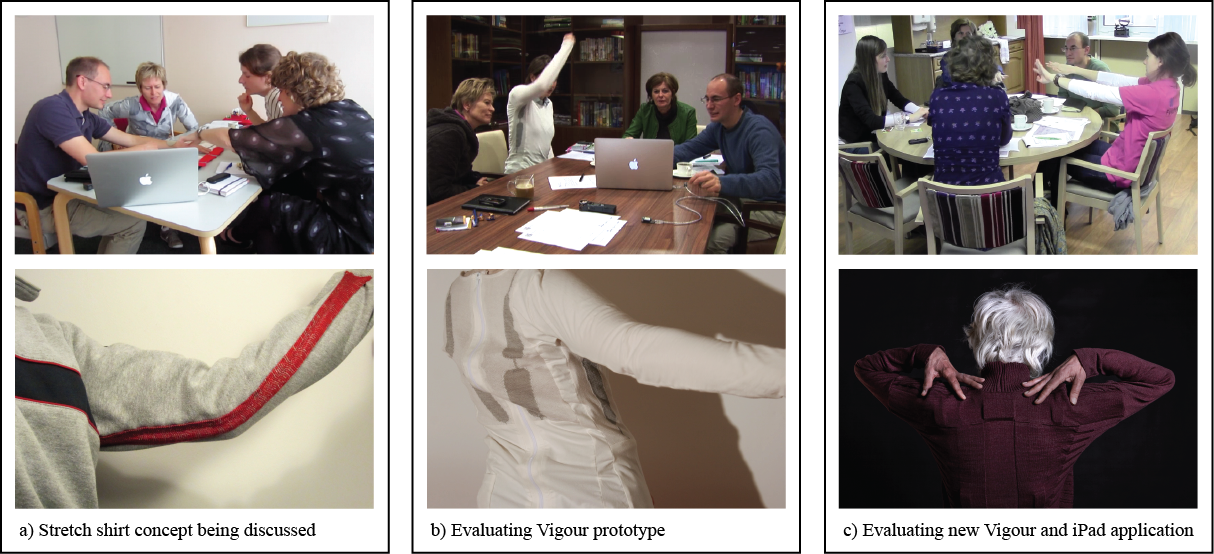
When combining the tangible properties of Smart Textiles (such as the hand of the fabric) with the intangible properties from services (such as dynamic properties and business models), the result can be considered a Smart Textile Service. Practitioners in a healthcare context are used to an embodied approach to examine and improve the bodily abilities of their clients. Therefore, developing the intangible components of Smart Textile Services for healthcare can introduce difficulties in a participatory design process. In this article, we investigate how embodied interactions with prototypes of service interfaces help to assess not only tangible but also intangible aspects of Smart Textile Services. The analysis concerns a design meeting that took place during the multi-stakeholder process to develop the smart cardigan and service “Vigour” for people with dementia. During this meeting, the current state of the development of the Smart Textile Service is assessed by two physical therapists, a manager of the eldercare organisation, and two designers. One of the main findings is that the validation of assessments takes place by relating the body to tangible objects, imagined tangible objects, imagined future tangible objects, and imagined intangible objects. We argue that bodily behaviour provides the basis for participants to agree on favourable or non-favourable tangible and intangible aspects of a design.
@inproceedings{assessing-smart-textile-services, title = {Assessing Smart Textile Services using Bodily Knowledge of Tangibility}, author = {Brouwer, C E and {ten Bhömer}, Martijn and Tomico, Oscar and Wensveen, Stephan A G}, year = {2015}, month = may, booktitle = {Proceedings of the 5th Participatory Innovation Conference}, location = {the Hague, the Netherlands}, } -
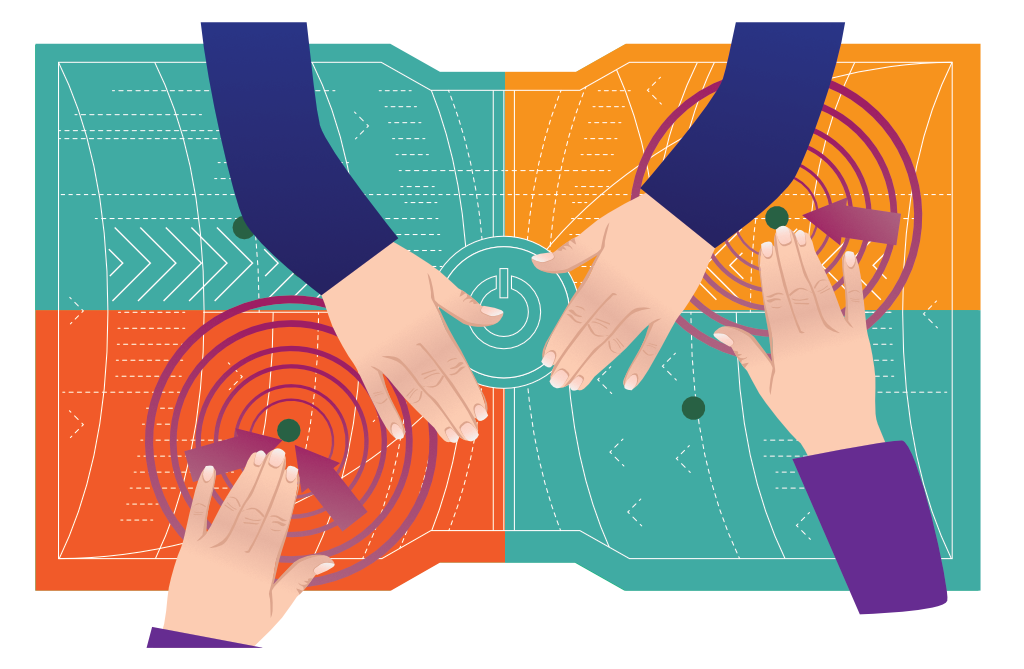 Tactile Dialogues: Personalization of Vibrotactile Behavior to Trigger Interpersonal CommunicationKimberly Johanna Schelle, Carolina Gomez Naranjo, Martijn ten Bhömer, and 2 more authorsIn Proceedings of the Ninth International Conference on Tangible, Embedded, and Embodied Interaction, Stanford, California, USA, Jan 2015
This article describes tests that have been conducted with Tactile Dialogues, a textile pillow that can react to touch with vibrotactile stimuli and haptic sensations. Tactile Dialogues is designed to stimulate movement and interpersonal contact for patients in the late stages of dementia, their family members and their caregivers. The most recent prototype of the pillow has been tested during 15 separate visits of family members or caregivers with patients. The aim of these tests is to find out whether personalization of the vibrotactile stimuli is appreciated over a mirroring vibrotactile behavior. We propose a three-scale measurement to help family members and caregivers examine the responses of the patient: muscular relaxation, physical movement and interpersonal contact. Through the semi-structured interviews we identified that family members and caregivers do appreciate the opportunity to personalize the vibrotactile behavior and that the pillow mainly functions as a way to establish communication with the patient.
@inproceedings{personalization-of-vibrotactile-behavior,
  title = {Tactile Dialogues: Personalization of Vibrotactile Behavior to Trigger Interpersonal Communication},
  author = {Schelle, Kimberly Johanna and Gomez Naranjo, Carolina and {ten Bhömer}, Martijn and Tomico, Oscar and Wensveen, Stephan},
  year = {2015},
  month = jan,
  booktitle = {Proceedings of the Ninth International Conference on Tangible, Embedded, and Embodied Interaction},
  location = {Stanford, California, USA},
  publisher = {Association for Computing Machinery},
  address = {New York, NY, USA},
  series = {TEI '15},
  doi = {10.1145/2677199.2687894},
}
2014
-
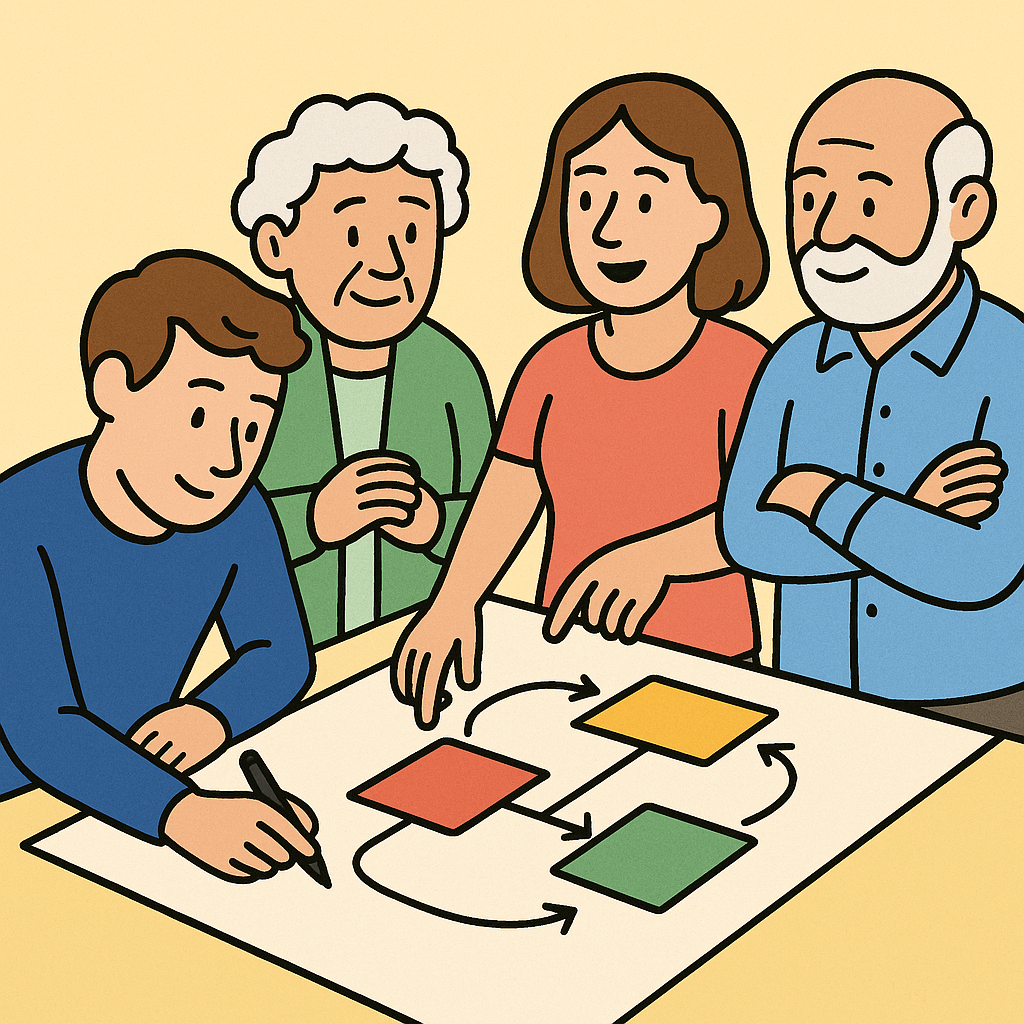 The Caregivers’ VoiceMartijn ten Bhömer, Bianca Pastoors, Corrie Aarts, and 1 more authorIn "Crisp #4: Well well well", Oct 2014
@incollection{the-caregivers-voice, title = {The Caregivers' Voice}, author = {{ten Bhömer}, Martijn and Pastoors, Bianca and Aarts, Corrie and Verheijen, Malou}, year = {2014}, month = oct, booktitle = {"Crisp #4: Well well well"}, publisher = {Delft University of Technology}, pages = {41--42}, isbn = {978-94-6186-370-6}, editor = {Pohlmeyer, Anna and Desmet, Pieter and Vervloed, Janneke and {de Lille}, Christine}, } -
 2013 e-textile swatchbook exchange: the importance of sharing physical workAnja Hertenberger, Barbro Scholz, Beam Contrechoc, and 21 more authorsIn Proceedings of the 2014 ACM International Symposium on Wearable Computers: Adjunct Program, Seattle, Washington, Sep 2014
The E-Textile Swatch Exchange is a platform for sharing physical work samples in the field of electronic textiles. The exchange wishes to emphasize the importance of physicality and quality workmanship in an increasingly digital world. Individuals and collaborative efforts participate in the exchange by submitting a unique swatch design of their own, and in turn receive a compiled collection of everybody else’s swatches. This means that everybody participating needs to make as many multiples of their swatch as the total number of participants. There are no guidelines defining what the swatches could or should be, only that they relate to the field of E-Textiles.
@inproceedings{e-textile-swatchbook-exchange, title = {2013 e-textile swatchbook exchange: the importance of sharing physical work}, author = {Hertenberger, Anja and Scholz, Barbro and Contrechoc, Beam and Stewart, Becky and Kurbak, Ebru and Perner-Wilson, Hannah and Posch, Irene and Cabral, Isabel and Qi, Jie and Childs, Katharina and Kuusk, Kristi and Calder, Lynsey and Toeters, Marina and Kisand, Marta and {ten Bhömer}, Martijn ten and Donneaud, Maurin and Grant, Meg and Coleman, Melissa and Satomi, Mika and Tharakan, Mili and Vierne, Pauline and Robertson, Sara and Taylor, Sarah and Nachtigall, Troy Robert}, year = {2014}, month = sep, booktitle = {Proceedings of the 2014 ACM International Symposium on Wearable Computers: Adjunct Program}, location = {Seattle, Washington}, publisher = {Association for Computing Machinery}, address = {New York, NY, USA}, series = {ISWC '14 Adjunct}, doi = {10.1145/2641248.2641276}, isbn = {9781450330480}, } -
 How Was it Made? VigourMartijn ten Bhömer and Pauline DongenACM Interactions, Sep 2014
@article{how-was-it-made-vigour, title = {How Was it Made? Vigour}, author = {{ten Bhömer}, Martijn and van Dongen, Pauline}, year = {2014}, month = sep, journal = {ACM Interactions}, publisher = {Association for Computing Machinery}, volume = {21}, number = {5}, pages = {12--13}, doi = {10.1145/2641396}, issn = {1072-5520}, } -
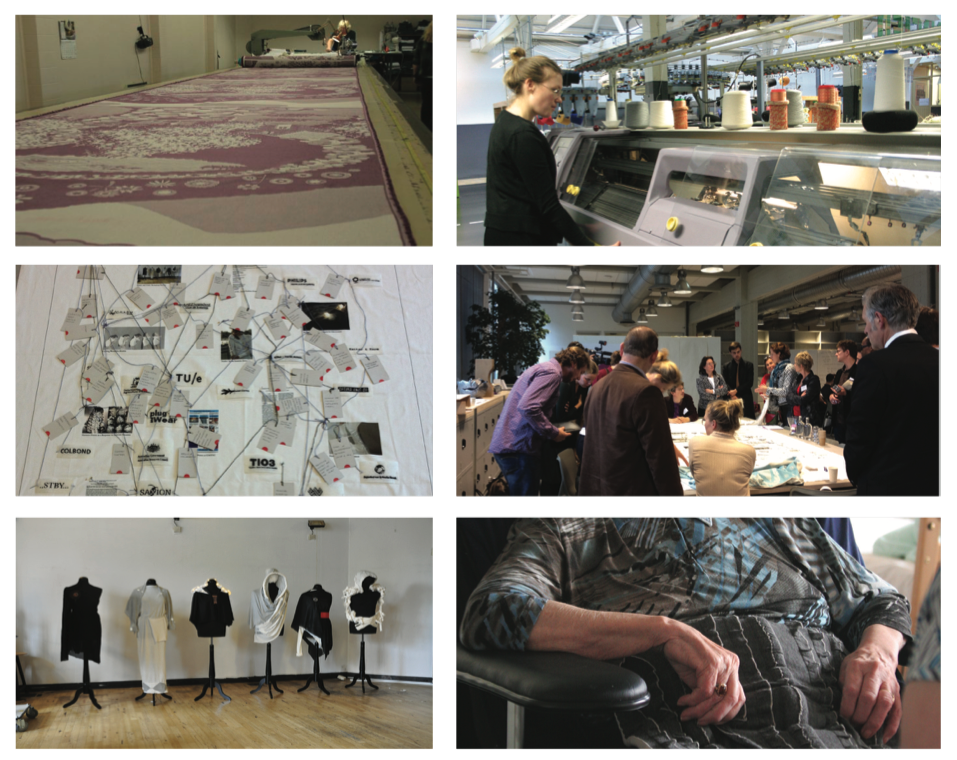 Growth plan for an inspirational test-bed of smart textile servicesStephan Wensveen, Oscar Tomico, Martijn ten Bhömer, and 1 more authorIn Proceedings of the 2014 Conference on Designing Interactive Systems, Vancouver, BC, Canada, Jun 2014
In this pictorial we visualize the growth plan for an inspirational test-bed of smart textile product service systems. The goal of the test-bed is to inspire and inform the Dutch creative industries of textile, interaction and service design to combine their strengths and share opportunities. The pictures exemplify the characteristic tools, approaches and prototypes for three phases of growth: Incubation, Nursery and Adoption.
@inproceedings{growth-plan-for-an-inspirational-test-bed, title = {Growth plan for an inspirational test-bed of smart textile services}, author = {Wensveen, Stephan and Tomico, Oscar and {ten Bhömer}, Martijn and Kuusk, Kristi}, year = {2014}, month = jun, booktitle = {Proceedings of the 2014 Conference on Designing Interactive Systems}, location = {Vancouver, BC, Canada}, publisher = {Association for Computing Machinery}, address = {New York, NY, USA}, series = {DIS '14}, doi = {10.1145/2598510.2602967}, } -
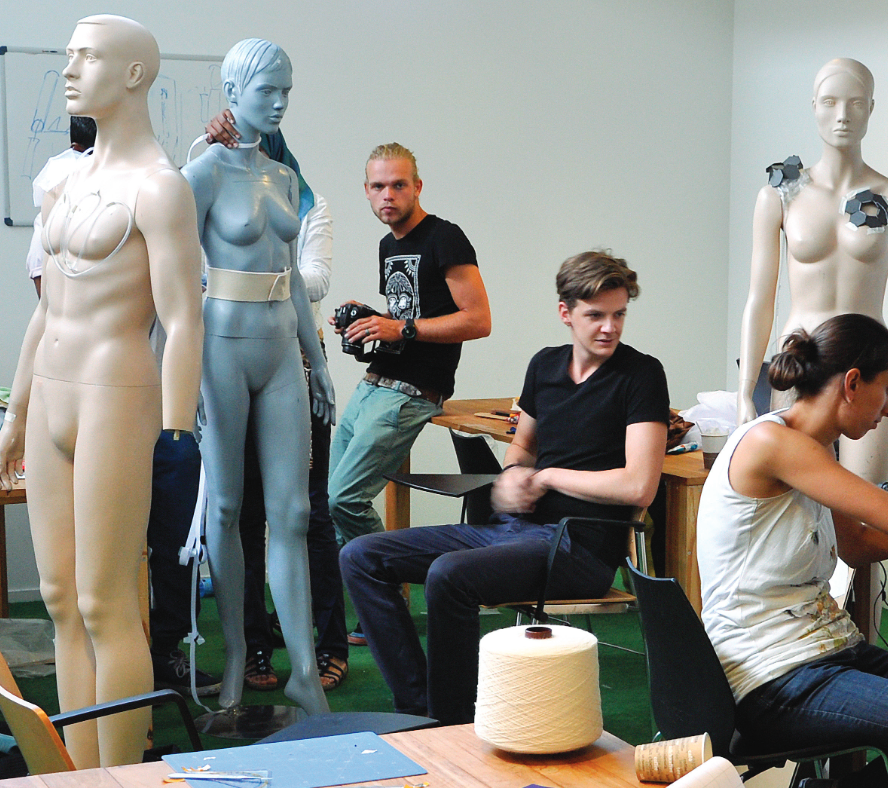 Day in the lab: wearable senses, Department of Industrial Design, TU EindhovenOscar Tomico, Stephan Wensveen, Kristi Kuusk, and 4 more authorsJul 2014
@article{day-in-the-lab-wearable-senses, title = {Day in the lab: wearable senses, Department of Industrial Design, TU Eindhoven}, author = {Tomico, Oscar and Wensveen, Stephan and Kuusk, Kristi and {ten Bhömer}, Martijn and Ahn, Ren\'{e} and Toeters, Marina and Versteeg, Maarten}, year = {2014}, month = jul, publisher = {Association for Computing Machinery}, volume = {21}, pages = {16--19}, doi = {10.1145/2628193}, issn = {1072-5520}, journaltitle = {Interactions}, issue = {4}, }
2013
-
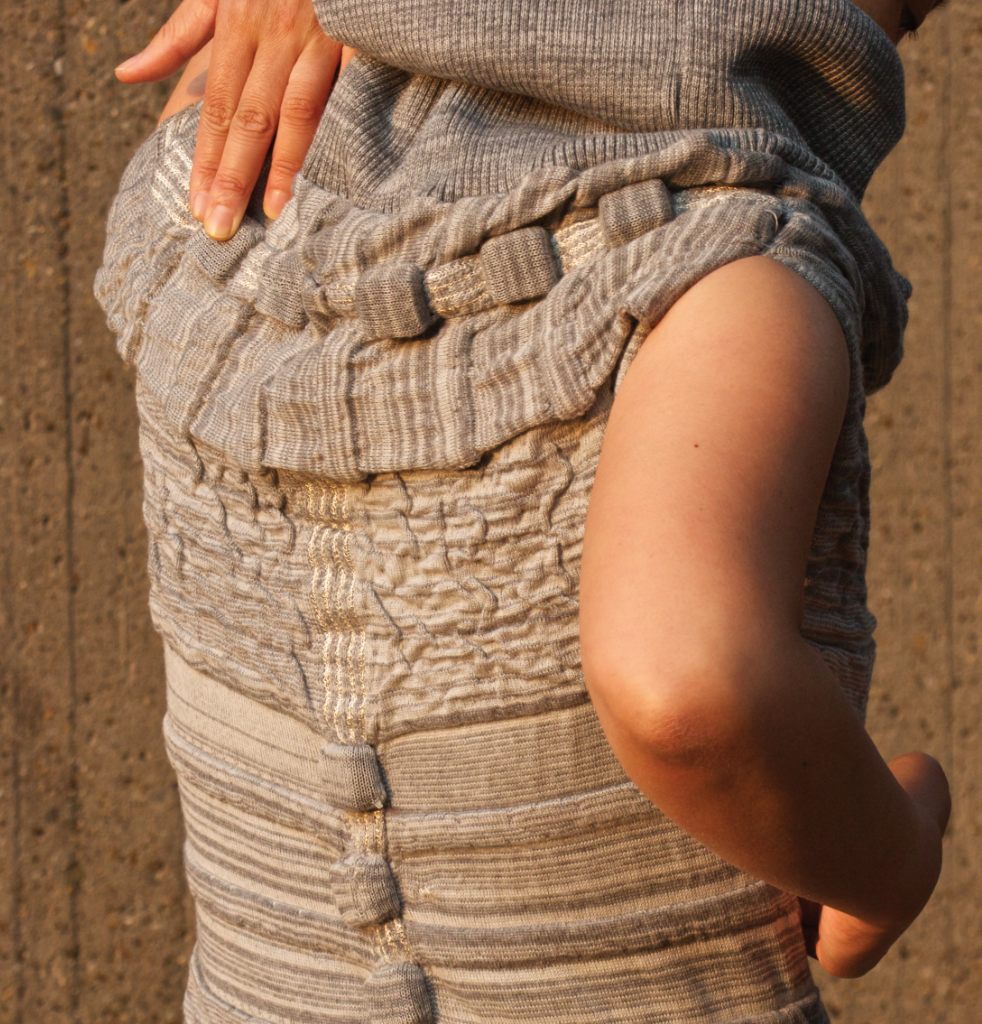 Vibe-ing: Designing a Smart Textile Care Tool for the Treatment of OsteoporosisMartijn ten Bhömer, Eunjeong Jeon, and Kristi KuuskIn Proceedings of the 8th International Conference on Design and Semantics of Form and Movement, Sep 2013
Vibe-ing is a care tool in the form of a garment, which invites the body to feel, move, and heal through vibration therapy. The merino wool garment contains knitted pockets, equipped with electronic circuit boards that enable the garment to sense touch and vibrate specific pressure points on the body. With this design we aim to inform a multi-disciplinary audience about the oppor- tunities of integrating textile and vibration for health- care applications. We show how new manufacturing can lead to new possibilities in garment design and the integration of electronic components. With an example of dynamic behavior we demonstrate how the vibration therapy of the garment can be tailored to individual treatment needs. This design serves as a start. We plan to further investigate the effects of vibration therapy combined with textile design and electronics for the treatment of osteoporosis.
@inproceedings{vibe-ing-smart-textile-care-tool, title = {Vibe-ing: Designing a Smart Textile Care Tool for the Treatment of Osteoporosis}, author = {{ten Bhömer}, Martijn and Jeon, Eunjeong and Kuusk, Kristi}, year = {2013}, month = sep, booktitle = {Proceedings of the 8th International Conference on Design and Semantics of Form and Movement}, publisher = {Koninklijke Philips Design}, editor = {Chen, L L and Djajadiningrat, Tom and Feijs, Loe M G and Fraser, S and Hu, Jun and Kyffin, Steven and Steffen, Dagmar}, venue = {Wuxi, China}, } -
 From Products to Services: Reflections on the Challenges in Designing for ServicesMartijn ten Bhömer, Christine De Lille, Oscar Tomico, and 1 more authorIn Proceedings of the 5th International Congress of International Association of Societies of Design Research (IASDR), Aug 2013
In this paper we will point to implications for designers who support organizations in the transition process from products to services based business models. These implications are based on four important challenges when designing for services: the designerly mindset, collaboration, empathy with stakeholders and implementation. These challenges have been identified by analysing the previous work of the second author, in which interviews were conducted with people in practice that consider themselves self-trained service designers and work as design consultants in service design projects. To further explore these challenges we will compare them with the experiences of the first author, who has been trained as product designer specialized in the design of intelligent products, and is currently part of the Smart Textile Services project as design-researcher. This project deals with the textile industry, which is traditionally focused on manufacturing but now in the transition towards delivering services. We will reflect on the moments that the design researcher felt uncomfortable as product designer and ran into similar challenges as the self-trained service designers. Based on the comparison of the self-trained service designers and the design-researcher we will point to implications for designers who are designing services in transitioning industries.
@inproceedings{from-products-to-services, title = {From Products to Services: Reflections on the Challenges in Designing for Services}, author = {{ten Bhömer}, Martijn and De Lille, Christine and Tomico, Oscar and Kleinsmann, Maaike Susanne}, year = {2013}, month = aug, booktitle = {Proceedings of the 5th International Congress of International Association of Societies of Design Research (IASDR)}, venue = {Tokyo, Japan}, } -
 Abstract robots with an attitude: Applying interpersonal relation models to human-robot interactionLiang Hiah, Luuk Beursgens, Roy Haex, and 5 more authorsIn 2013 IEEE RO-MAN, Aug 2013
This paper explores new possibilities for social interaction between a human user and a robot with an abstract shape. The social interaction takes place by simulating behaviors such as submissiveness and dominance and analyzing the corresponding human reactions. We used an object that has no resemblance with human features in its shape or expression mode, in order to exclude the effect of these features on the human behavior. An intelligent walk-in closet was made to behave either dominantly or submissively using lighting effects. The behaviors of the closet were rated by participants using the Bem Sex Role Inventory in a pilot study, resulting in the selection of one submissive and one dominant lighting behavior for the closet. Participants’ personality was measured using the Social Dominance Orientation questionnaire. These data were then compared to measurements of user satisfaction and feelings of dominance, arousal, and valence after scenario completion. A surprising effect was revealed as participants with a dominant personality reported feeling submissive to a dominant system, while in comparison, persons with a submissive personality felt more dominant in the same condition. Furthermore, it was found that a submissive system was generally more preferred by users. We draw a careful conclusion that people interact differently with systems that show human-like attitudes, than they would in response to similar attitude expressed by other person. These findings need to be investigated further with dominant/submissive nonverbal behaviors that are then simulated on a humanoid robot.
-
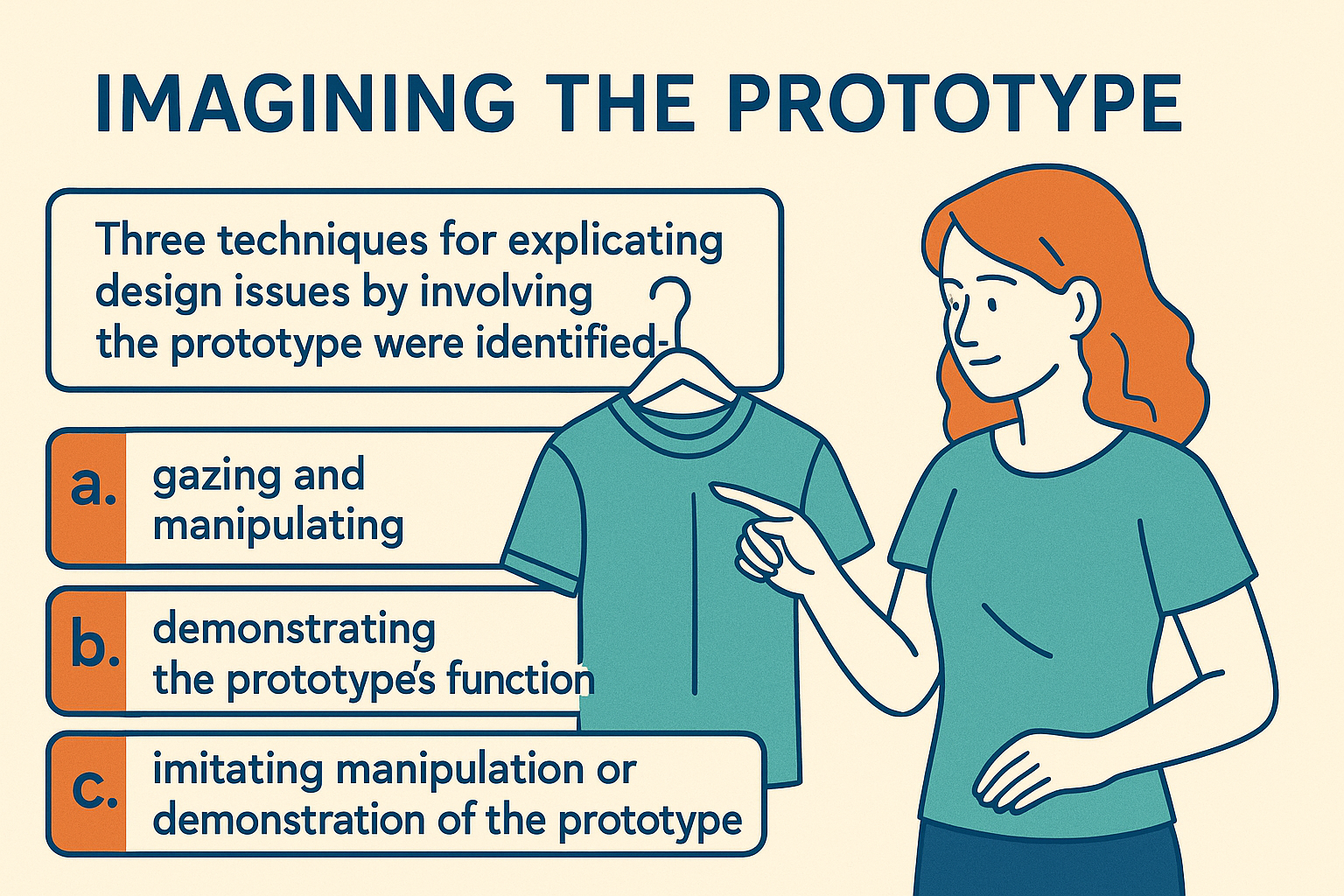 Imagining the PrototypeC E Brouwer and Martijn ten BhömerIn Proceedings of the 3rd Participatory Innovation Conference, Jun 2013
This article reports on the analysis of a design session, employing conversation analysis. In the design session, three experts and a designer discuss a prototype of a shirt, which has been developed with input from these experts. The analysis focuses on the type of involvement of the participants with the prototype and how they explicate the points they make in the discussion with or without making use of the prototype. Three techniques for explicating design issues that exploit the prototype are identified: a. gazing simultaneously with pointing, touching and/or manipulating (moving, stretching, turning), b. demonstrating by taking the prototype into use the way it is supposed to be used, and c. demonstrating by imitating the manipulation or use of the prototype through gesture — an ‘imagined’ dealing with the prototype. Based on the analysis, it is argued that these techniques offer different possibilities for discussing design issues.
@inproceedings{imagining-the-prototype, title = {Imagining the Prototype}, author = {Brouwer, C E and {ten Bhömer}, Martijn}, year = {2013}, month = jun, booktitle = {Proceedings of the 3rd Participatory Innovation Conference}, publisher = {LUT Scientific and Expertise Publications}, editor = {Melkas, H and Buur, Jacob}, institution = {Lappeenranta University of Technology}, venue = {Lahti, Finland}, } -
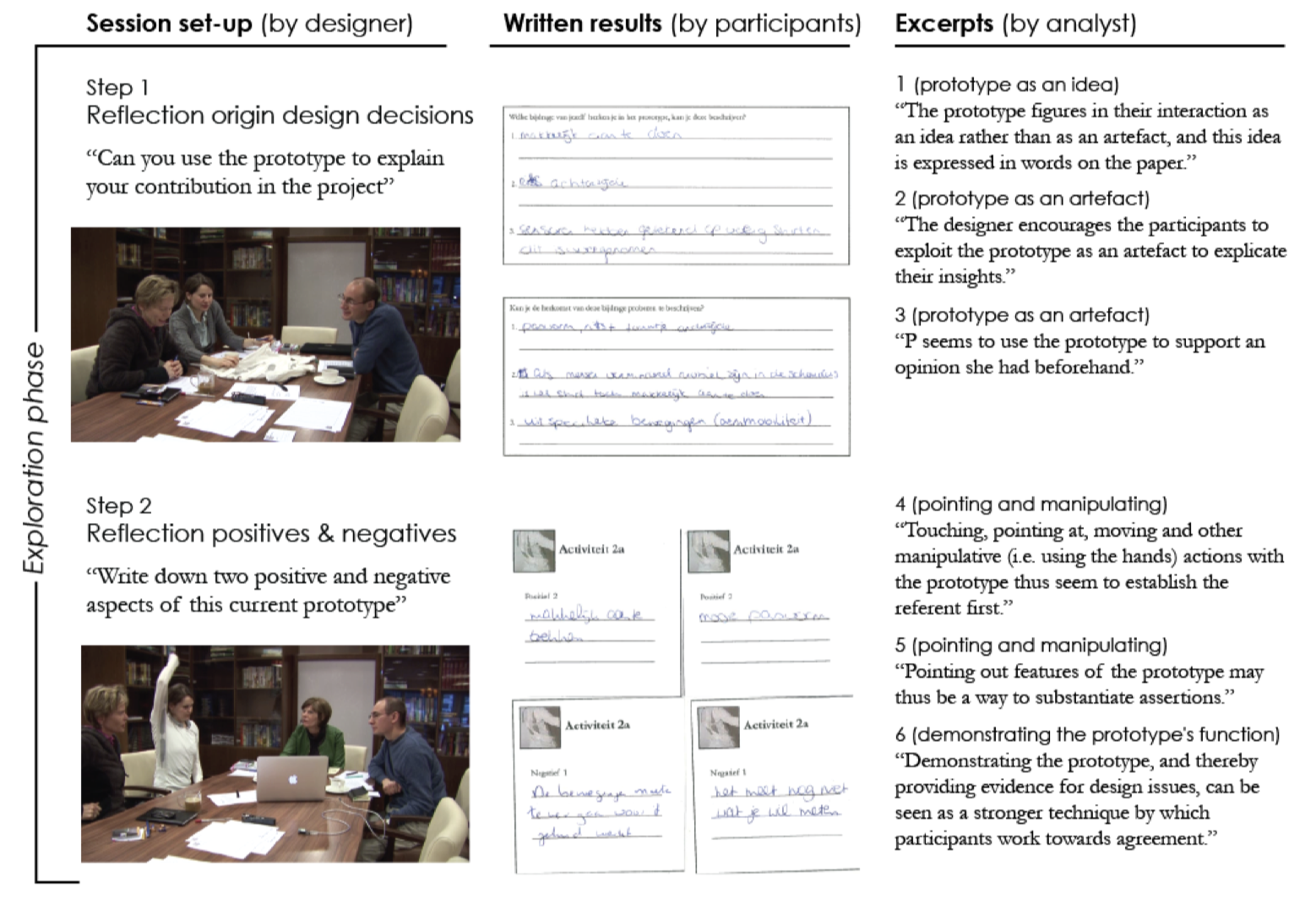 Interactive Prototypes in the Participatory Development of Product-Service SystemsMartijn ten Bhömer, C E Brouwer, Oscar Tomico, and 1 more authorIn Proceedings of the 3rd Participatory Innovation Conference, Jun 2013
Stakeholders involved in the development of a new Product-Service System (PSS) can benefit from using interactive prototypes during meetings to exchange different points of view. Drawing on the findings of a conversation analyst and the reflections of a design researcher, we compared three techniques for explicating ideas through the use of a prototype—pointing and manipulating, demonstrating its function, and imitating or demonstrating through body movement and gesture—with the phases of a co-reflection session: exploration, ideation, and confrontation. Our analysis revealed that the prototype was particularly useful during the exploration and confrontation phases. Pointing and manipulating the prototype helped to concretise reflections, facilitated suggestions for small design changes, and supported the participants in working towards shared goals. However, interactive prototypes showed limitations; during the ideation phase, the prototype played only a minor role.
@inproceedings{interactive-prototypes-in-the-participatory-development-of-pss, title = {Interactive Prototypes in the Participatory Development of Product-Service Systems}, author = {{ten Bhömer}, Martijn and Brouwer, C E and Tomico, Oscar and Wensveen, Stephan A G}, year = {2013}, month = jun, booktitle = {Proceedings of the 3rd Participatory Innovation Conference}, publisher = {LUT Scientific and Expertise Publications}, editor = {Melkas, H and Buur, Jacob}, institution = {Lappeenranta University of Technology}, venue = {Lahti, Finland}, } -
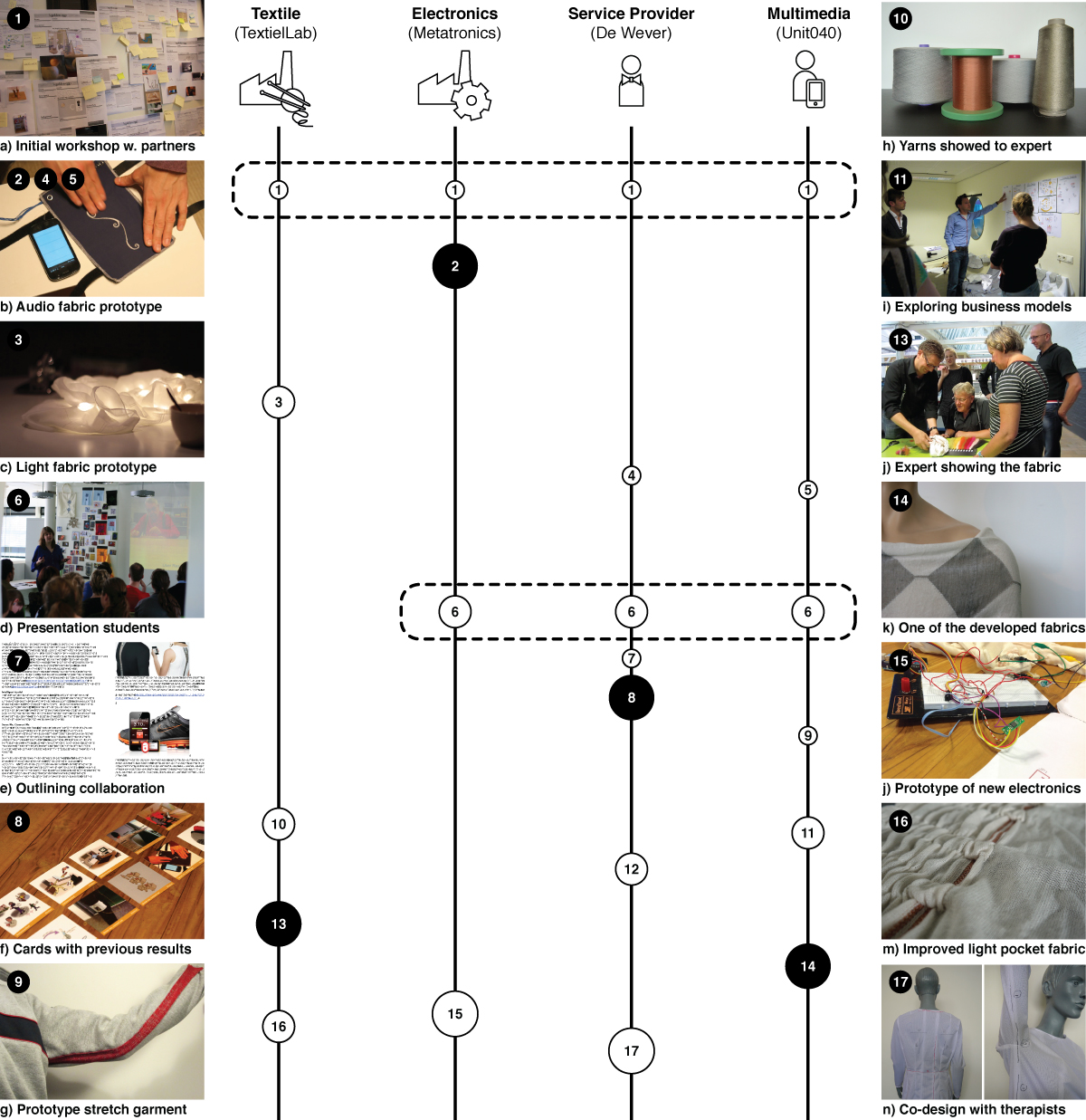
 Vigour: Smart Textile Services to Support RehabilitationMartijn ten Bhömer, Oscar Tomico, and Caroline HummelsIn Proceedings of the Nordic Design Research Conference, Jun 2013
“Vigour” is a garment that shows the possibilities of smart textile services for geriatric rehabilitation exercises. It is the result of a collaborative design process between a design researcher, three therapists, an eldercare manager, a textile developer and an embedded systems designer. Vigour embodies the knowledge that was accumulated during the collaborative design process. We contribute to the theme of experimentation in design research by showing the value of experimentation in a participatory setting through the iterations leading to the final garment. Further, we will briefly describe three of the steps that lead to the final prototype.
@inproceedings{vigour-smart-textile-services-to-support-rehabilitation, title = {Vigour: Smart Textile Services to Support Rehabilitation}, author = {{ten Bhömer}, Martijn and Tomico, Oscar and Hummels, Caroline}, year = {2013}, month = jun, booktitle = {Proceedings of the Nordic Design Research Conference}, editor = {Brandt, Eva and Ehn, Pelle and Degn Johansson, T and Hellström Reimer, M and Markussen, M and Vallgårda, Anna}, venue = {Copenhagen, Denmark}, date = {2013-06-09}, } -
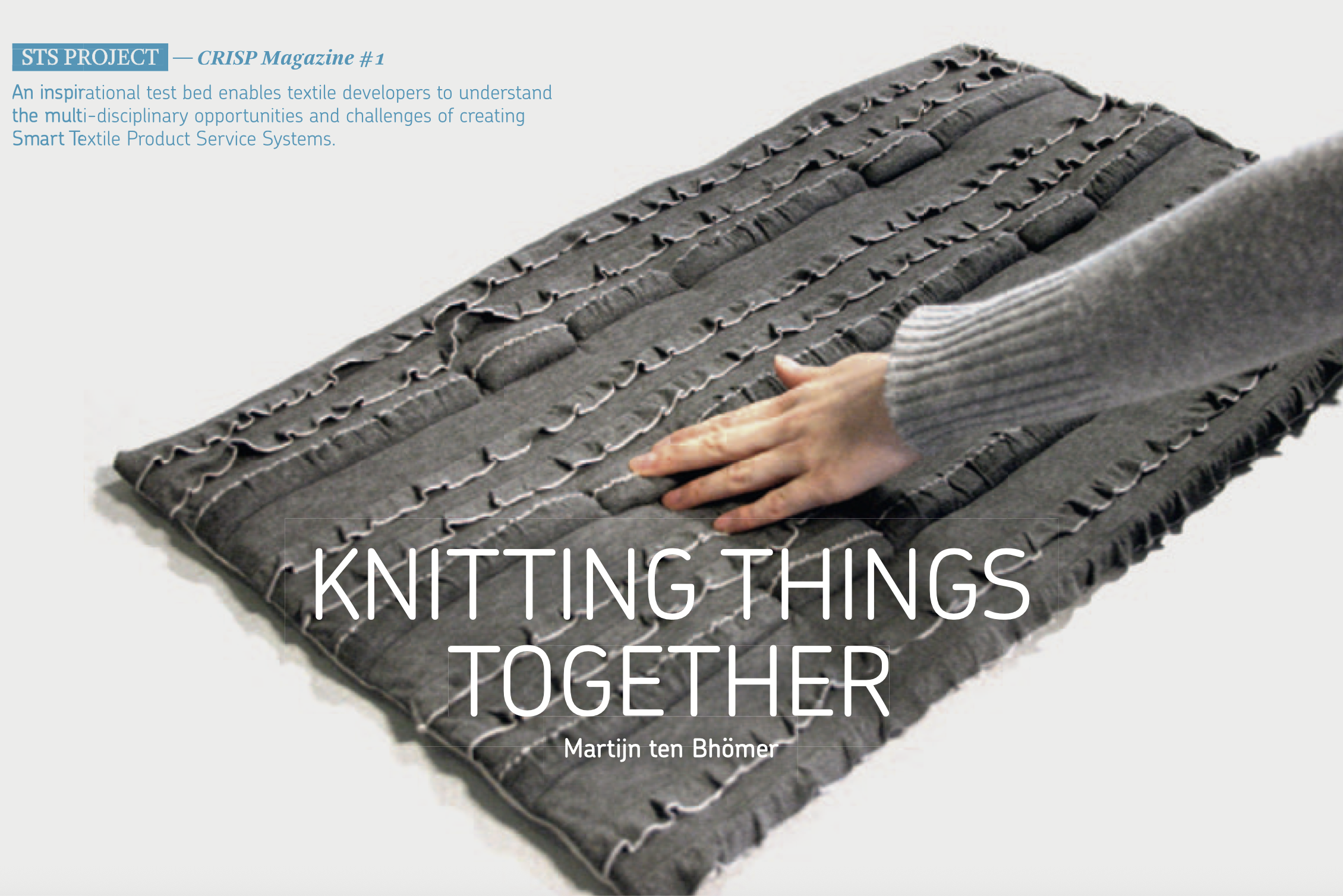 Knitting things togetherMartijn ten BhömerIn Crisp 1: Don’t you design chairs anymore, Apr 2013
@incollection{knitting-things-together, title = {Knitting things together}, author = {{ten Bhömer}, Martijn}, year = {2013}, month = apr, booktitle = {Crisp 1: Don't you design chairs anymore}, publisher = {Delft University of Technology}, pages = {41--42}, isbn = {978-94-6186-149-8}, editor = {Hekkert, Paul and Raijmakers, B and Vervloed, Janneke and {de Lille}, Christine}, } -
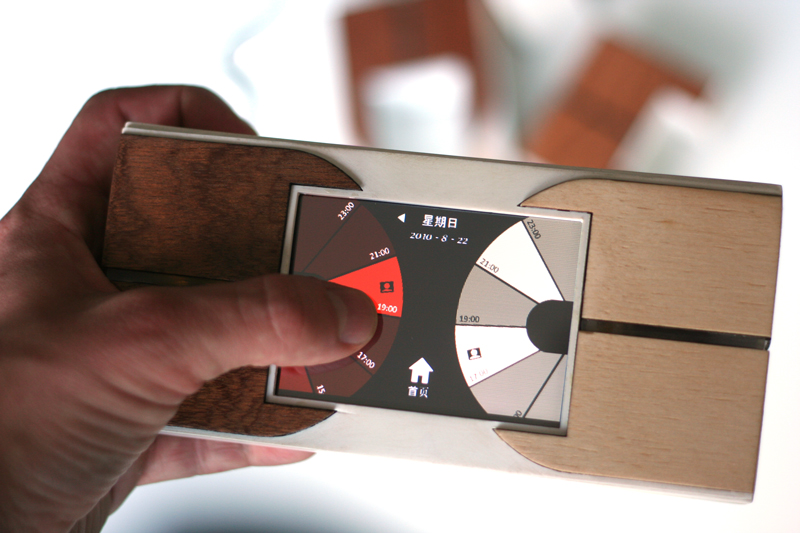 Interaction design for supporting communication between Chinese sojournersMartijn ten Bhömer and Elise Van Den HovenPersonal Ubiquitous Comput., Jan 2013
In our global village, distance is not a barrier anymore for traveling. People experience new cultures and face accompanying difficulties in order to live anywhere. Social support can help these sojourners to cope with difficulties, such as culture shock. In this paper, we investigate how computer-mediated communication (CMC) tools can facilitate social support when living physically separated from loved-ones in different cultures. The goal is to understand the design considerations necessary to design new CMC tools. We studied communication practices of Chinese sojourners living in the Netherlands and the use of a technology probe with a novel video communication system. These results led to recommendations which can help designers to design interactive communication tools that facilitate communication across cultures. We conclude the paper with an interactive communication device called Circadian, which was designed based on these recommendations. We experienced the design recommendations to be abstract enough to leave space for creativity while providing a set of clear requirements which we used to base design decisions upon.
@article{interaction-design-for-supporting-communication, title = {Interaction design for supporting communication between Chinese sojourners}, author = {{ten Bhömer}, Martijn and Van Den Hoven, Elise}, year = {2013}, month = jan, journal = {Personal Ubiquitous Comput.}, publisher = {Springer-Verlag}, address = {Berlin, Heidelberg}, volume = {17}, number = {1}, pages = {145–157}, doi = {10.1007/s00779-011-0482-1}, issn = {1617-4909}, } -
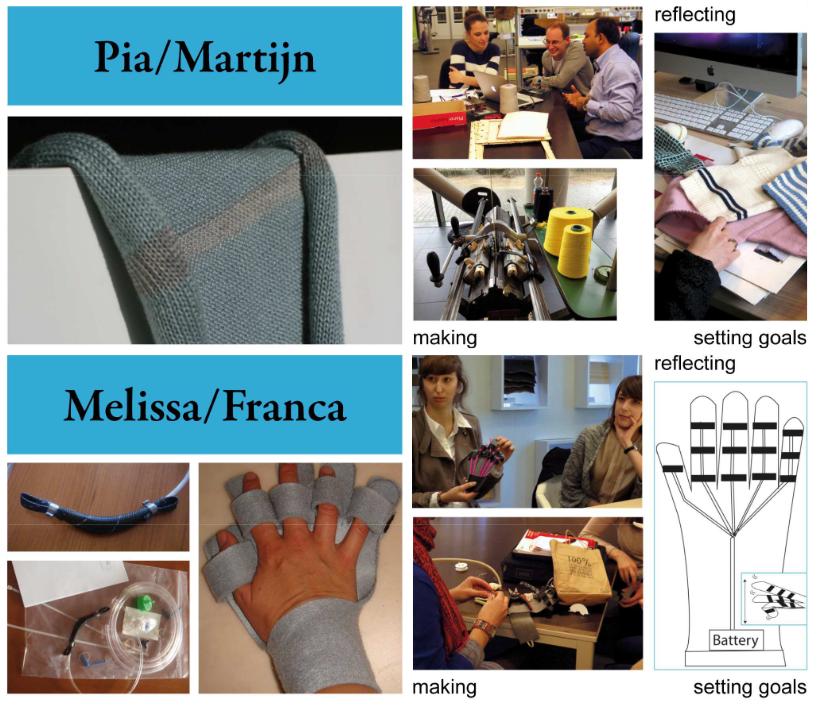 Research through Design: A Way to Drive Innovative Solutions in the Field of Smart TextilesMarina Toeters, Martijn ten Bhömer, Eliza Bottenberg, and 2 more authorsIn Smart and Interactive Textiles, Jan 2013
Research through design allows creating a dialogue with the material. It uses making and reflection on action as a generator of knowledge. Our aim is to explore the opportunities and challenges of smart textiles. The Fablab is our set up, a place that allows us to combine the hacking- scientific-, and design community. It stimulates collaboration and the knowledge exchange needed for the development of smart textile systems. A collaborative prototyping workshop for medical products combined two worlds. The textile world in Saxion aims at incorporating conductive materials into textile structures and functional- / 3D printing to create systems for applications such as flexible heating systems and wearable technology. We combined this with the world of Industrial Design at TU/e, focused on the design of intelligent products, systems and services by the research through design approach. The collaboration between these different disciplines speeded up the process by reducing the resistance to the new and skipped the frustration on failure.
@inproceedings{research-through-design-innovative-solutions-smart-textiles,
  title = {Research through Design: A Way to Drive Innovative Solutions in the Field of Smart Textiles},
  author = {Toeters, Marina and {ten Bhömer}, Martijn and Bottenberg, Eliza and Tomico, Oscar and Brinks, Ger},
  year = {2013},
  month = jan,
  booktitle = {Smart and Interactive Textiles},
  publisher = {Trans Tech Publications Ltd},
  series = {Advances in Science and Technology},
  volume = {80},
  doi = {10.4028/www.scientific.net/AST.80.112},
}
2012
-
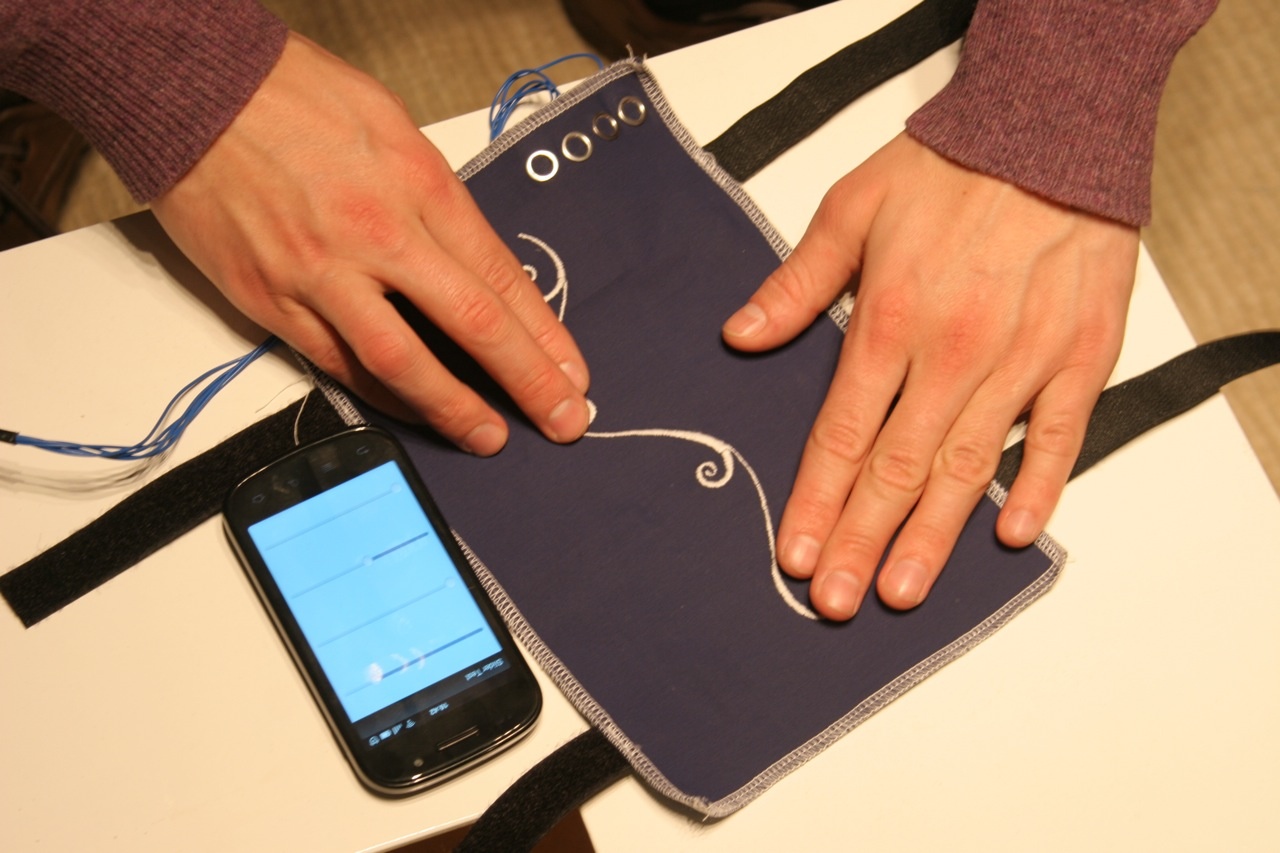 Designing for Societal and Commercial Adoption of Smart Textile ApplicationsMartijn ten BhömerIn 6th International Symposium on Wearable Computers (ISWC 2012), Jun 2012
With this research-through-design process we aim to provide methods that will increase the chance of societal and commercial adoption of smart textile applications for eldercare and rehabilitation. These methods will show how designers can guide the collaboration between companies from the textile and technology industry, and eldercare service providers. We will illustrate the research goal with examples from the Smart Textile Services CRISP project and will discuss further plans of this PhD research.
@inproceedings{adoption-of-smart-textile-applications, title = {Designing for Societal and Commercial Adoption of Smart Textile Applications}, author = {{ten Bhömer}, Martijn}, year = {2012}, month = jun, booktitle = {6th International Symposium on Wearable Computers (ISWC 2012)}, volume = {80}, venue = {Newcastle Upon Tyne, UK}, editor = {Amft, O and Bürgy, C and Dunne, L and van Gils, M and Kunze, Kai and Kusserow, M and McCann, Jane and Zeagler, C and Pärkkä, J}, } -
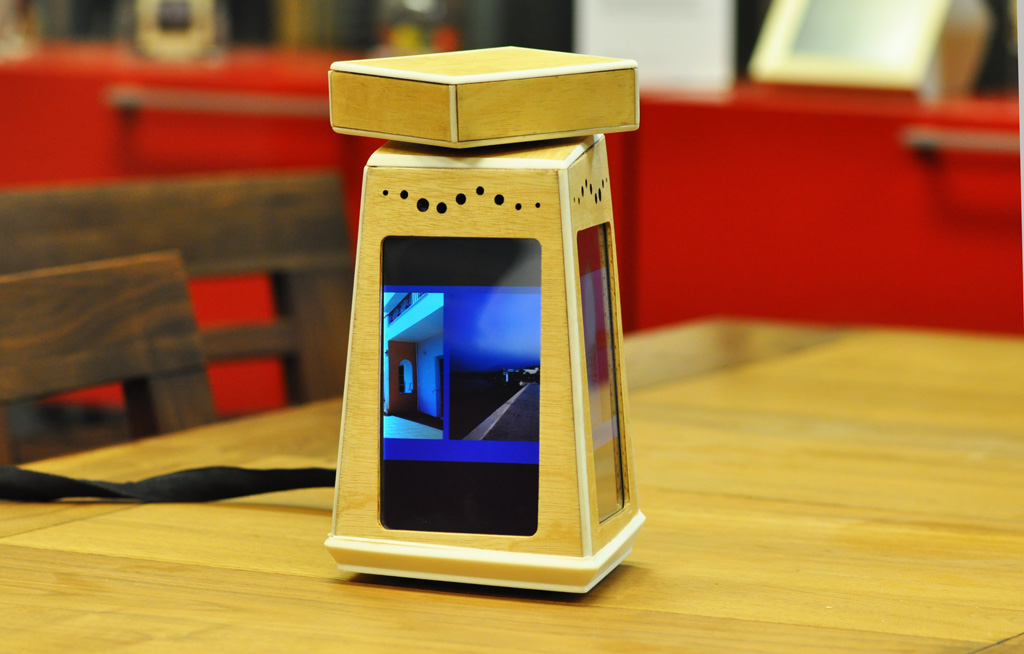 Food for Talk: Phototalk in the Context of Sharing a MealKenton O’Hara, John Helmes, Abigail Sellen, and 3 more authorsHuman–Computer Interaction, Apr 2012
Photographic mementos are important signifiers of our personal memories. Rather than simply passive representations of memories to “preserve” the past, these photos are actively displayed and consumed in the context of everyday behavior and social practices. Within the context of these settings, these mementos are invoked in particular ways to mobilize particular social relations in the present. Taking this perspective, we explore how photo mementos come to be used in the everyday social setting of sharing meal. Rather than a simple concern with nutritional consumption, the shared meal is a social event and important cultural site in the organization of family and social life with culturally specific rhythms, norms, rights, and responsibilities. We present a system—4 Photos—that situates photo mementos within the social concerns of these settings. The system collates photo mementos from those attending the meal and displays them at the dining table to be interacted with by all. Through a real-world deployment of the system, we explore the social work performed by invoking these personal memory resources in the context of real-world settings of shared eating. We highlight particular features of the system that enable this social work to be achieved.
@article{food-for-talk, title = {Food for Talk: Phototalk in the Context of Sharing a Meal}, author = {O'Hara, Kenton and Helmes, John and Sellen, Abigail and Harper, Richard and {ten Bhömer}, Martijn and van den Hoven, Elise}, year = {2012}, month = apr, journal = {Human–Computer Interaction}, publisher = {Taylor \& Francis}, volume = {27}, number = {1-2}, pages = {124--150}, } -
 Designing Smart Textile Services through value networks, team mental models and shared ownershipMartijn ten Bhömer, Oscar Tomico, Maaike Susanne Kleinsmann, and 2 more authorsIn Third Nordic Conference on Service Design and Service Innovation, Feb 2012
The goal of Smart Textile Services is to integrate existing knowledge from the separate domains of textile technology and services. As no single actor can meaningfully understand and realize the creation of Product Service Systems multiple actors need to team up with relevant partners. The contribution of this paper is to describe the initiation of a bottom-up approach aiming to co-design Smart Textile Services in collaboration with partners from the Dutch textile and technology industry; service providers; creative hubs and academic institutes. The concepts of value networks; team mental models and shared ownership are used to design and analyse two co-design workshops that took place within the consortium: a co-reflection and a co-creation workshop. We will use the same concepts to reflect on how a bottom-up approach can be used for designing Smart Textile Services; and how a designer can contribute to this process. Further; we will indicate how we are planning to pursue this bottom-up approach in future research.
@inproceedings{designing-smart-textile-services,
  title = {Designing Smart Textile Services through value networks, team mental models and shared ownership},
  author = {{ten Bhömer}, Martijn and Tomico, Oscar and Kleinsmann, Maaike Susanne and Kuusk, Kristi and Wensveen, Stephan A G},
  year = {2012},
  month = feb,
  booktitle = {Third Nordic Conference on Service Design and Service Innovation},
  publisher = {Linköping University Electronic Press},
  venue = {Espoo, Finland},
}
2010
-
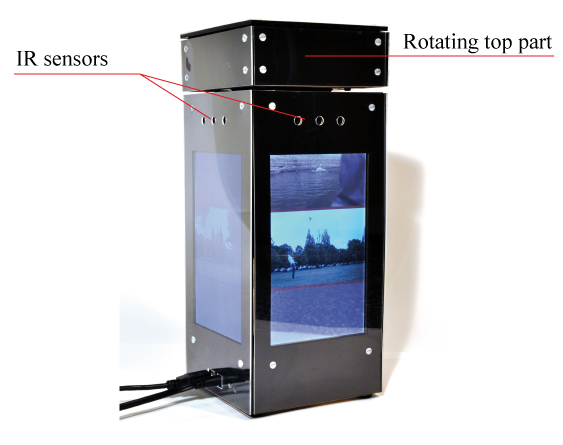 4Photos: a collaborative photo sharing experienceMartijn ten Bhömer, John Helmes, Kenton O’Hara, and 1 more authorIn Proceedings of the 6th Nordic Conference on Human-Computer Interaction: Extending Boundaries, Reykjavik, Iceland, Oct 2010
In this paper, we describe the iterative design and user study of "4Photos", a multi-screen table centrepiece allowing media content to be shared and enjoyed in a social setting. It was our intention to design an object with the purpose to gather qualitative data concerning the social effects of new ways of democratic, serendipitous and playful photo sharing. To facilitate this we used online photo repository content that most often gets experienced in an individual setting. Using 4Photos we positioned this content within a social setting and observed how the presentation of these images enabled new ways of ’phototalk’ to arise. We describe the design process, the final concept and reflect upon observed practices that emerged from people’s usage of 4Photos. We then present several design implications and discuss future directions for continuation of this research.
@inproceedings{collaborative-photo-sharing-experience,
  title = {4Photos: a collaborative photo sharing experience},
  author = {{ten Bhömer}, Martijn and Helmes, John and O'Hara, Kenton and van den Hoven, Elise},
  year = {2010},
  month = oct,
  booktitle = {Proceedings of the 6th Nordic Conference on Human-Computer Interaction: Extending Boundaries},
  location = {Reykjavik, Iceland},
  publisher = {Association for Computing Machinery},
  series = {NordiCHI '10},
  doi = {10.1145/1868914.1868925},
  isbn = {9781605589343},
}
2009
-
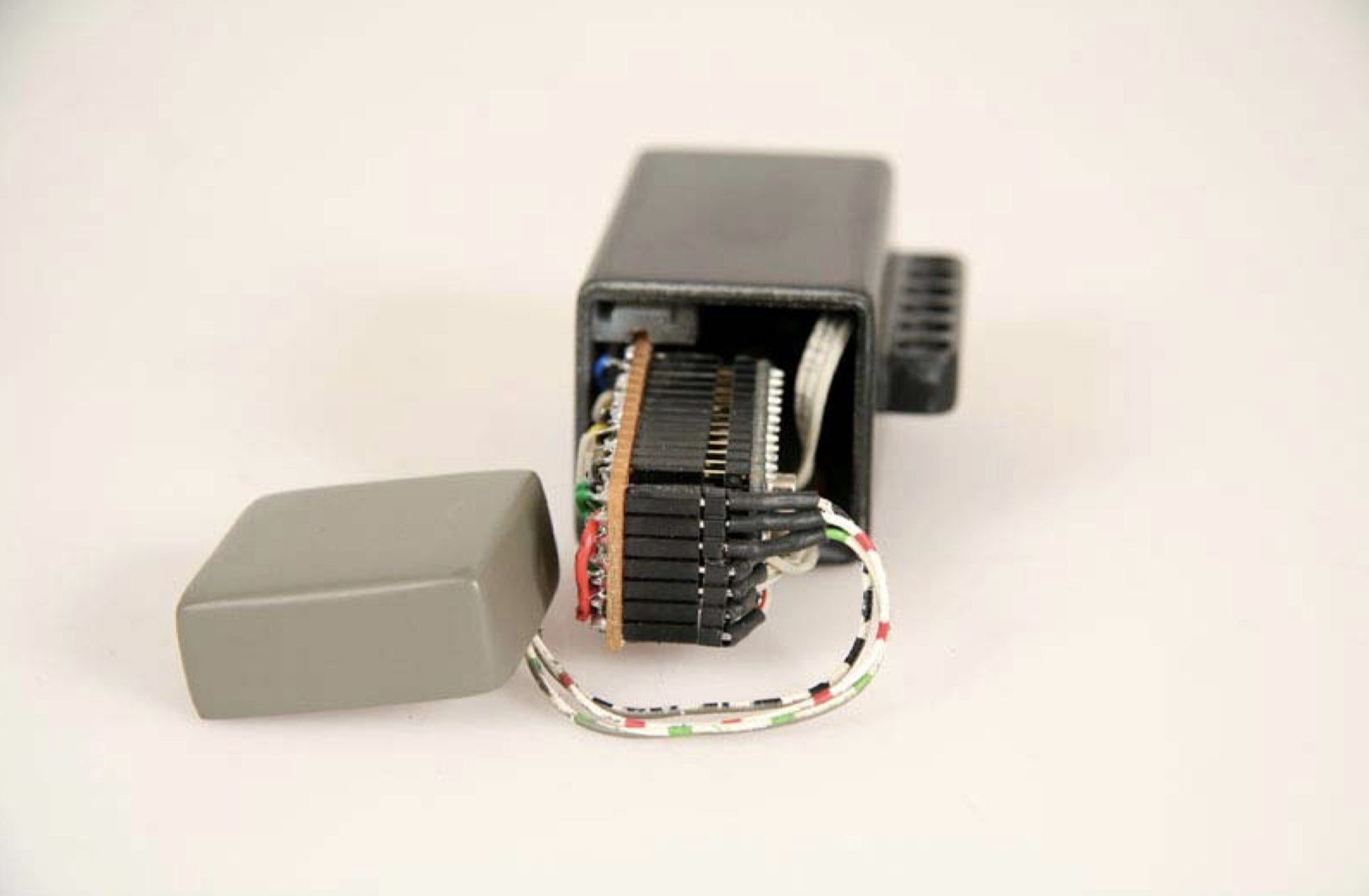 Developing Novel Extensions to Support Prototyping for Interactive Social RobotsMartijn ten Bhömer, Christoph Bartneck, Jun Hu, and 4 more authorsIn Proceedings of the 21st Benelux Conference on Artificial Intelligence, Oct 2009
Lego Mindstorms NXT is a platform highly suitable for prototyping in the field of interactive social robotics. During a technology masterclass at Eindhoven University of Technology students from the department of Industrial Design have developed five novel extensions (sensors and actuators) for the Lego Mindstorms NXT which extend the ability of Lego to prototype for robotics even further. Applications include a water-pump, GPS sensor, wireless sensor bridge, optical mouse sensor and a magnetic grabber. In this paper we will present these extensions and showcase applications in which these extend possibilities of Lego Mindstorms NXT to a new level.
@inproceedings{novel-extensions-to-support-prototyping, title = {Developing Novel Extensions to Support Prototyping for Interactive Social Robots}, author = {{ten Bhömer}, Martijn and Bartneck, Christoph and Hu, Jun and Ahn, Rene M C and Tuyls, Karl and Delbressine, Frank L M and Feijs, Loe M G}, year = {2009}, month = oct, booktitle = {Proceedings of the 21st Benelux Conference on Artificial Intelligence}, venue = {Eindhoven, The Netherlands}, } -
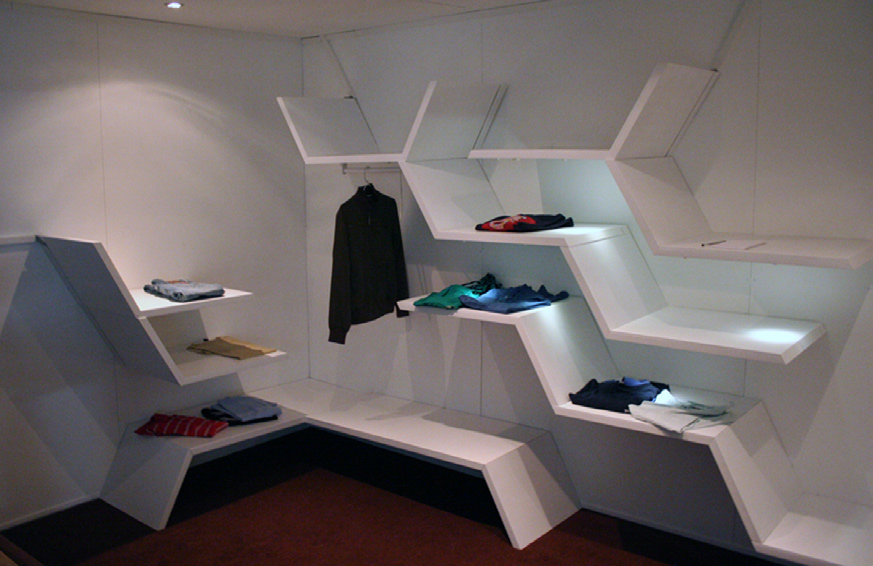 Product adaptivity through movement analysis: the case of the intelligent walk-in closetMartijn ten Bhömer, Emilia I Barakova, Kirstin Der Aalst, and 1 more authorIn Proceedings of Design and semantics of form and movement (DeSForM 2009), Oct 2009
In this paper we investigate the use of human movement qualities and the design of intelligent products. Our future products and systems are envisioned to become context-aware and adaptive. The design of these adaptive products brings new opportunities to the design of interactive products. Self-adaptivity of products depends on their ability to learn through interaction with the user. We explored a research-through-design process that revolves around a product which is able to interpret human movement qualities. In our approach we integrated three fields: Laban Movement Analysis, neural learning and interactive product design. In this paper, we explain our approach to design adaptive interactive products, and describe the resulting walk-in closet research platform. We present the choices and findings, show results of initial user-testing of the prototype, discuss the open questions that this innovative design approach raised, and further research possibilities.
@inproceedings{product-adaptivity-through-movement-analysis, title = {Product adaptivity through movement analysis: the case of the intelligent walk-in closet}, author = {{ten Bhömer}, Martijn and Barakova, Emilia I and van Der Aalst, Kirstin and Ross, Philip}, year = {2009}, month = oct, booktitle = {Proceedings of Design and semantics of form and movement (DeSForM 2009)}, publisher = {Koninklijke Philips Design}, editor = {Chen, L L and Feijs, Loe M G and Hessler, Martina and Kyffin, Steven and Liu, Pei-Ling and Overbeeke, Kees and Overbeeke, Kees C J and Young, Bob}, venue = {Taipei, Taiwan}, } -
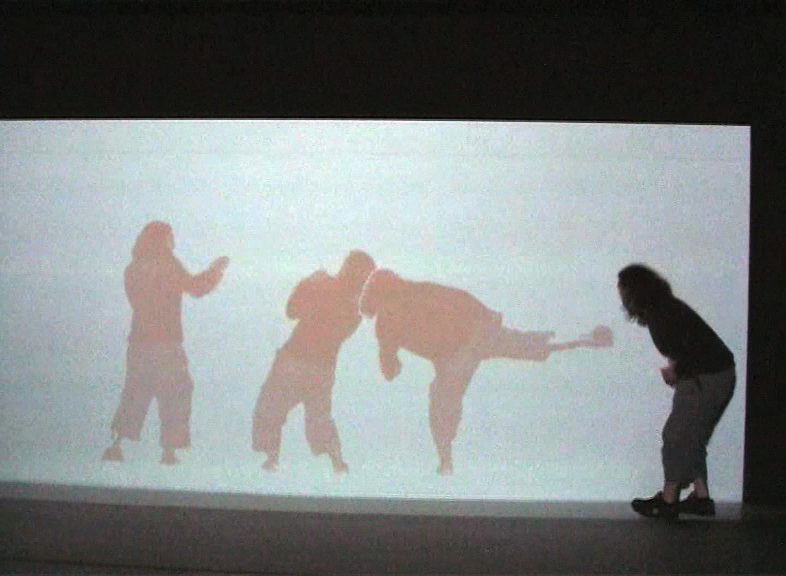 Dancing with myself: the interactive visual canon platformChristoph Bartneck, Mathias Funk, and Martijn ten BhömerIn CHI ’09 Extended Abstracts on Human Factors in Computing Systems, Boston, MA, USA, Apr 2009
The canon is a composition pattern with a long history and many forms. The concept of the canon has also been applied to experimental film making and on Japanese television. We describe our Interactive Visual Canon Platform (IVCP) that enables creators of visual canons to design their movements through rapid cycles of performance and evaluation. The IVCP system provides real time support for the actors; they can see the canon resulting from their movements while they are still performing. We describe some possible approaches to a solution, and reasons for choosing the approach that we have implemented. The hardware has reached a stable state, but we are still optimizing the visual processing of the system. A first user test is planned to provide us with information for improving the system.
@inproceedings{dancing-with-myself,
  title = {Dancing with myself: the interactive visual canon platform},
  author = {Bartneck, Christoph and Funk, Mathias and {ten Bhömer}, Martijn},
  year = {2009},
  month = apr,
  booktitle = {CHI '09 Extended Abstracts on Human Factors in Computing Systems},
  location = {Boston, MA, USA},
  publisher = {Association for Computing Machinery},
  address = {New York, NY, USA},
  doi = {10.1145/1520340.1520512},
  isbn = {9781605582474},
}